

A moderated panel with four creators who built influence in the 3D and surveying world in different ways: Matthew Byrd through LinkedIn content and RCN, Michal Gula through daily LinkedIn posting that led to 3DISE, Rami Tamimi through YouTube teaching and The Survey School, and Julie Slavík through the Women in Metaverse community. The audience learns how content turns into community, how the panelists choose what to post, how they handle paid partnerships and which platforms are worth the effort.
“the term community probably is coming from the, from the word communication, and the communication needs to be both ways.”
“I want to promote high-quality work and high-quality data collection. I wanna keep these companies accountable for their sensors and their softwares”
“But pick one to be really good at and, and to focus on.”
According to Michal Gula, follower count matters less than creating interesting content; a large following works as social proof that opens doors, but posts from people with 500 followers can still get thousands of likes.
Rami Tamimi said he only promotes products he has genuinely tested and that do what the company claims, because his reputation as a licensed surveyor and his community's trust are on the line.
Matthew Byrd and Rami Tamimi said it is not dead, though they don't focus on it, and Matthew advised picking one main platform; Julie Slavík said Facebook is dead for Women in Metaverse, where a newsletter works best.
Transcribed automatically (ElevenLabs Scribe) and lightly edited. It may contain small errors. Click a time to play the video from there.
Moderator: So ladies and gentlemen, now we are going to shift from the tools and technology, and we are going to take a look at people. Because this industry, as we said many times, it's not only about technology, it's mainly about the people. And the people that are really shaping how we use the tools, what we perceive important, sharing the best practicing, and in practices, and in other words, creating this industry. We're, we are calling them often ambassadors, we're calling them influencers. And we, we've got an incredible, truly incredible panel coming up, and we're going to dive into this topic, topic of what it means to be an influencer or a brand ambassador.
Moderator: Ladies and gentlemen, let me welcome to the stage the founder of The Survey School, Rami Tamimi. Let's give it up for him. Rami, welcome.
Matthew Byrd: Hey, buddy.
Moderator: Now moving on, the founder of the Reality Capture Network, Matthew Byrd. Let's give it up for Matthew. Welcome, welcome. Moving on, the founder of the 3DISE Conference and a really loud voice on LinkedIn, Michal Gula. And I'm super excited that we also have got a super lovely lady, the founder of the Women in Metaverse, Julie Slavík.
Moderator: Julie, welcome.
Michal Gula: Thank you.
Moderator: Perfect. So we've got people who are really into creating content, creating communities. Um, and I have a, I have a question, a polling question for you to kick things off because we would love to understand where you consume content, and whether it's from the influencers or you're more on the pra- practical side of things. So you've got a problem and you just like Google it or you ask AI, or do you have favorite content creators? Maybe they are sitting actually over here on the stage.
Moderator: So let's just take a look at how you are consuming content related to your work. All right? Professional content. So, um, interesting. So the AI is really leading the way.
Moderator: Scrolling the platforms, 20, 25%, about one quarter.
Matthew Byrd: We, we can all quit.
Moderator: Um, uh, not so fast. Uh, 14%, uh, uh, of people sitting in this audience are still following the, the, the creators and Googling it. Uh, and ultimately I believe that by asking, you know, AI or scrolling through the platforms, people do, uh, get across your content. Uh, so just to kick things off. Perfect.
Moderator: Interesting. Let's wait for a, for a bit more. So it really shows that the, the AI is really leading the way and obviously tapping into all the amazing, uh, content that has been created, uh, including, uh, the creators like yourself. Perfect. Well, thank you so much.
Moderator: And, uh, let's just dive in. Each one of you have built an influence in a slightly different way, whether it was through the content, through the community, or the combination of number of things. Um, Matthew, I'll start with you. Uh, what was the turning point when you sort of realized that this is maybe not just a side gig, this is not something, you know, that I do for fun, but you started to understand like, okay, maybe this is a platform and I'm influencing the industry in a substantial way?
Matthew Byrd: And we have three hours to answer?
Moderator: Uh-
Matthew Byrd: Okay. No, I'm just kidding.
Moderator: Three minutes.
Matthew Byrd: So, well, the short story for me was I started in the industry, in land surveying, and I got into the technologies, and I was really a low-level technician when I started out. Um, at the same time, I started going to events and networking, and got on LinkedIn. When I started getting into the technologies, I got really excited about the work I was doing, and I became passionate about laser scanning and drones. And when I started creating content, it wasn't even from an angle of using it for marketing. I, I naturally just started sharing what I was doing 'cause I was excited about it.
Matthew Byrd: I would take pictures of me on a job site with a laser scanner, or I would show a point cloud and, and just to showcase how cool it was. And I naturally started seeing engagement grow from that and people asking questions, "Hey, could we use this in buildings? Hey, could you come do this forensic job?" And my eyes started opening to the applications for the technology across different industries, and over time that just started growing 5,000, 10,000, 15,000. And all of my business for my service company started coming from LinkedIn through the content.
Matthew Byrd: And I started to realize there's much bigger impact I could have on the industry through content and through this community and through creating, rather than only focusing on service. So there was this really turning point, and that's also what kind of changed my entire career trajectory. Um, the content and the sharing is what landed me, uh, a growth from, you know, in a couple year time span, I went from $13 an hour to a six-figure corporate role.
Moderator: Nice.
Matthew Byrd: And then I was able to start a business, and I had clients already. All of that came through the content.
Moderator: Amazing. And thank you so much. And by the way, this session is really also to give you some tips and tools and motivation maybe just to start creating your personal brands and, and, and exactly with an impact like what you've just described. So, uh, we'll touch on the actual tips as well. Uh, I'll pass the word over to you, Michal, like you are really big on LinkedIn, almost 100,000, uh, followers.
Moderator: Not there yet, but soon enough. Next year.
Michal Gula: Hopefully tomorrow.
Moderator: Uh, 100,000. Uh, so Matthew just mentioned that at, at the beginning there was this kind of a seed, a passion that he wanted to share with the rest of the community. How did things start with you?
Michal Gula: Very differently.
Moderator: Okay. Tell us.
Michal Gula: Uh, for me, it started during COVID, uh- I really was at the stage when my, uh, scanning business were pretty much fucked because nobody was doing anything. So I was really on the edge of just giving up with the business and just starting working for somebody else and-
Moderator: Mm-hmm
Michal Gula: or, or just joining another company. And, uh, back then I, I saw a guy, uh, on a LinkedIn selling, uh, some stuff, and, uh, I thought that, uh, this might be my last chance how to, how to, uh, save my business and how to work for myself, um, more. Uh, the reason, the, uh, the other reason was that, uh, while I was deciding whether to go to work for somebody else, I was speaking to my friend which came from HR. Uh, he knows me for, for a long time, and he said, "Michal, you, you wouldn't survive corporate." Like-
Moderator: Don't even try.
Michal Gula: You, you, you would quit in one day. So I said, "Oh, okay. I'll give it the last chance." And, uh, yeah, I, I said to myself that I'm going to go all in with LinkedIn, and this is my last chance for, for the business. I understood that if I want to grow my business, if, if I want to create new streams of revenue, I have to become, uh, so-called famous, uh, in the industry.
Michal Gula: So I just told myself, "Okay, since now I'm going to post every day, I'm going to, to grow my, my influence, my, my followers, and let's see where it ends." So, and it ends in Prague.
Moderator: In Prague.
Michal Gula: 400 people.
Moderator: Amazing.
Michal Gula: So far.
Moderator: Uh, so we've got a passion, we've got a necessity. Uh, Rami, uh, I know you are using more... You, you're more of a YouTube guy, if I'm not mistaken. Almost, uh, hitting the magical number as well. Uh, close to, um, 100,000 followers as well, but this time on YouTube.
Moderator: What about yourself? Where did things start for you?
Rami Tamimi: Yeah. So I actually come from the academic world. Um, I was a PhD student. I was just getting started, and I landed a position at my university as a graduate teaching assistant. This other thing happened, um, that made us all stay at home.
Rami Tamimi: Uh, I think they call it COVID. And unfortunately, uh, I was not able to get a classroom to teach my class. So I had to find a way to communicate, "Hey guys, like we're gonna do leveling today, or traversing, or just pacing." Very basic survey concepts, but I wasn't able to sit in a classroom and lecture for like 10 minutes before we go out into the field. So what I ended up doing was just making YouTube videos, but they weren't really like for YouTube famous...
Rami Tamimi: I wasn't trying to be famous on YouTube. I was just making videos and posting them on YouTube about, hey, what the lab is going to be for this week. And then I would send that out to my students. I'd be like, "Hey guys, this is what I want you to watch. Prepare yourself when we get to campus.
Rami Tamimi: Put on your masks and, uh, do the survey lab." So it worked really well. Uh, I just think that more than just my students saw it, I think the whole community saw it, and a lot of professors that were in that same situation were using my videos to help prepare their students, uh, to go out to the, you know, to the lab, uh, and be able to do their work. So over time, this started to build a small audience of educators that were following me and using my content to educate their students. Uh, and then I just started talking about like my research.
Rami Tamimi: You know, I'm a PhD student. I'm researching, uh, consumer products and using them for surveying. So I was making videos about the iPhone and how we can use the iPhone's LiDAR sensor to collect accurate data, and those videos got like hundreds of thousands of views. So that's really the takeoff point, um, for the social media side of things. Uh, of course, we started the school, um, where I basically help people get into the industry.
Rami Tamimi: I kind of help them with their career growth, um, and that, we'll get into that later. But like that's a whole other boost in trajectory and, um, started a whole other chapter in my social media career. So, but yeah, it's been, it's been great. I loved it.
Moderator: Three people, three different stories. It's absolutely fascinating. A quick show of hands, please. Can you raise a hand if you post on Link- on LinkedIn regularly? Okay.
Moderator: Cool. What is it? One, one-fourth? Oh, one-fourth of, of a room. 25%.
Matthew Byrd: Can I share a stat?
Moderator: Yeah, go ahead.
Matthew Byrd: So I heard a report from LinkedIn that 90% of users on the platform-
Moderator: Yeah
Matthew Byrd: only view content.
Moderator: Yeah.
Matthew Byrd: They don't even like a post.
Moderator: Yeah.
Matthew Byrd: They won't leave a comment. 9%, uh, will engage with, uh, content. Only 1% of users actually post content.
Moderator: Fascinating. And we saw that in this room, yeah, 20, 20-ish percent of people raised their hands, so the, the potential is incredible, and we've got four stories of, uh, actually how, uh, posting and creating content, uh, transformed their lives. Julie, let's talk about your, uh, community, your initiative. I'm absolutely passionate about that. Can you tell us more about, uh, Women in Metaverse?
Moderator: What is the project about, and what, what motivated you to start it?
Julie Slavík: Okay, I will start before, uh, I started the community.
Moderator: Mm-hmm.
Julie Slavík: Um, I joined the XR industry in 2016, so it's, um, al- it's 10 years already. And, uh, I co-founded one of the first virtual reality arcade, uh, in the Czech Republic, and then I moved to the business, and I started to translate companies and people why should they use virtual reality or augmented reality, what is it good for, how to connect it with their strategy. And I joined, um, creative studio, uh, Brainz Immersive, and I produced a lot of, um, these type of experiences and, uh, it's a- Some of them were awarded, so it was a really nice, um, nice, uh, era. And, uh, then I became a new business developer in that company, and I realized, okay, how can I sell it? So I will start to talk about it.
Julie Slavík: I will start to post about what I'm doing. Why is it so fascinating? What I love about it. So I started with LinkedIn as well. I started a newsletter, and I started to talk, um, or speak at conferences.
Julie Slavík: And the thing is that I was the only woman in the room. Um, and if you look around, there is still not so many women, so there is a lot of work ahead of us. And, uh, so then I realized, okay, it's not possible that I am the only woman in the room and that there are probably some other women in the field. So I decided to start a community, Women in the Metaverse, or for Czech-speaking, uh, Holky v Metaversu. And, uh, we do meetups.
Julie Slavík: We open doors for women into the industry. It's not, um, it's not only about the content, it's more about, uh, to create a real connection and to build... I feel more about it, uh, it's more like building the ecosystem where women can be part of the, of the industry.
Moderator: Mm-hmm. Julie, thank you so much. And you mentioned something super important, that content and community often go hand in hand, and I think all four of you are, are a prime example of that. Uh, Rami, uh, I'll just s- pass on this, the, the second round of questions to you first. So you've built a, a tight learning community of about 100-plus students.
Moderator: I know, Julie, you mentioned you've got, uh, 300, uh-
Rami Tamimi: Mm-hmm
Moderator: uh, members-
Julie Slavík: Mm-hmm
Moderator: basically women, uh, on your, uh, on, in your community. So, um, let's just share some i- some ideas and perspectives. So Rami, is the community about the numbers or is it more about the depth and the, the quality of the, or, or the relevance for the, for the community members?
Rami Tamimi: Yeah. I mean, community can mean a lot of things, right?
Moderator: Yeah.
Rami Tamimi: We are a community, right? Community can be your general industry, folks that are mapping, folks that are doing reality capture, folks that are doing surveying. So there is the broad community that we all serve, uh, whether that's on an academic scale or service scale. You know, we all work in this industry. We all work in this community.
Rami Tamimi: So there's that broad community. I then have, like, my YouTube community, right? The roughly 100,000 folks that are subscribed to me, those that watch me, those that engage in my content, um, those companies that sponsor me. That is a whole other group of community members that are following my journey and my content and the work that I do. But then I get into, like, the really small community of The Survey School, right?
Rami Tamimi: This is 100 people that are paying, you know, to have access to resources, have access to coursework, have access to, uh, a forum where they can communicate with each other and learn more about what each person is doing in their business. How are they tackling technical issues? How are they tackling business issues? Uh, we have a cohort where we meet multiple times a week and, you know, we have in-person workshops, in-person events that we go to. So this is a very small, very, like, dedicated group of surveyors that, you know, I work closely with, uh, that is also a community.
Rami Tamimi: So it's not really about the numbers because community can mean a lot of different things. It's how focused is this particular community or how broad is this particular community? What does it serve? How are you integrated into it? And what, you know, what are you doing to serve that community and provide value to it?
Moderator: Mm-hmm. Matthew, what's your take on the concept of community?
Matthew Byrd: That. No, I mean, I, I would, I would, uh, I would agree with everything that was just said. I think you, you have to ask the question of, like, what's the next question, right? Is, is, are we talking about the industry in whole? Are we talking about a niche in an industry?
Matthew Byrd: Are we talking about a community around a technology? Um, the way I talk about community, you know, we say our goal is, at RCN, is building the community, is educating the community.
Moderator: That is-
Matthew Byrd: We're talking about globally, anybody that c- you know, should be benefiting from any of the technologies that we touch. And that's why we start broadly with content and with sharing and recording conversations, you know, podcasts, conference presentations, is we want to draw awareness to our whole community. You know, anybody that's in that. Then you start to narrow back in, right? Well, the majority of my personal community is in the United States, and the majority of people that then come to our events are, you know...
Matthew Byrd: So it, it, there's different levels. So I think you have to ask, like, w- what is the next question? What's the, what is the purpose of what you're trying to do as a business? Or, you know, what impact are you trying to make to the community?
Moderator: 100%. Um, Michal, over to you. So you have started, uh, as a, as a LinkedIn content creator, 17 million-plus views on your content. Then at a certain point you said, "Let's organize a conference," right? It's, uh, it's, uh, to a large extent about bringing that community actually together, right?
Moderator: And Julie, we're gonna touch on that in a, in a moment. Why? What was the motivation?
Michal Gula: The motivation was the transition from, from the audience to community. Uh, because, uh, the, the term community probably is coming from the, from the word communication, and the communication needs to be both ways. Uh, as long as, uh, as long as I'm speaking about, uh, mm, about, uh, LinkedIn posting, I'm speaking about followers and, and basically the audience because I'm communicating to them. But, uh, there is not enough space and, and capacity for them to be communicating to me, okay? So, so that's the audience.
Michal Gula: Uh, if I want to- Translate, uh, the audience into a community, I need to bring them somewhere else from, from the LinkedIn. Uh, I can, I can bring them either to school, for example, uh, platform or some s- newsletter or whatever, or we can bring them in one place, uh, in a physical space and, and create this opportunity to communicate with each other and then, and to create a atmosphere where, uh, we can share, learn from each other and, and just, just, uh, be among our own, you know, species.
Moderator: Kind.
Julie Slavík: Mm-hmm.
Moderator: Species. Right. Um, Julie, you have built a niche within a niche-
Julie Slavík: Mm-hmm
Moderator: to a large extent. Uh, how, how do events play along with the concept of your community?
Julie Slavík: Yeah. It's, it's, um, the, one of the most important part of the community because we are... people are always asking me, "Okay, so you are meeting your, uh, each other in the metaverse?" And we're saying, "No, we are meeting offline," because I still believe that offline is the best place where to, uh, create the real connections. So we do meetups, uh, with, uh, with our partner companies because what I want...
Julie Slavík: Because as I told you, I started in the field 10 years ago, and, uh, in the Czech Republic, XR field is quite strong, so there is a lot of companies, uh, doing cool things, and we can thank to Beat Saber that, uh, they create the field, uh, very famous in here, and also a lot of, uh, hardware companies. So, and I know the founders of the company, so it's quite easy to get in touch with them and bring the women into the company so they can, uh, try the hardware, they can try the software, they can speak to the people who create the experiences, who know how it works. So they meet the people, learn, learn the thing, and then, uh, we are, like, that's why I'm saying we are more creating an ecosystem so that, uh, women are part of it. That's, it's not just for men, but, uh, we are, uh, giving g- women the space to join the field. And also, the companies are very happy we are bringing them the women because there are not women in the space, and you don't want to have just male, um, company.
Moderator: Mm-hmm. Thanks so much. And I have the second polling question. We would love to understand where you stand on the communities. Uh, can we show the Slido up o- over there?
Moderator: Perfect. So the question is, uh, actually, are you a member of any community? Uh, yes, uh, of a professional community, both, uh, uh, meaning, um, you're a part of a hobby community, whatever it is, cycling, running, uh, whatnot, or you are not a member of any community. So over here in the audience, 40, 45, basically... Okay, let's wait for the, for the results.
Moderator: So over, currently we're just like, uh, going up and down, but more than 80% of people sitting over here in this room are m- are members of, of some kind of a community. That's really, really fascinating. There is this one thing, uh, before we move on to the content creation, that I would love to touch on. Uh, very often community members, uh, they start asking that question, "Okay, what is the value that I'm getting?" Maybe Julie, I'll, I'll just f- follow up with that.
Moderator: So what kind of value do your community members get out of being, uh, a part of, uh, Women in, in Metaverse?
Julie Slavík: Yeah. I think I've, I've already touched it. Um, but, uh, it means that, uh, we educate, uh, women-
Moderator: Mm-hmm
Julie Slavík: which are not, uh, in the field, but we are also connecting the experienced one with the new ones because it's-
Moderator: Mm-hmm
Julie Slavík: usually, uh, more comfortable to go to some event with someone you already know, and he can introduce you to other people and so on. Uh, we also bring the value to the companies. And, uh, what, uh, I haven't mentioned is that we also cooperate with, um, local media, which is very important as well because when you look into the magazines and, um, uh, like mass media, uh, when you are reading some articles about emerging technologies, it's mostly men speaking. So we are cooperating with them that, uh, women can also, uh, have their voice, uh, heard and, um, what else? I had so many things to say.
Julie Slavík: Uh-
Moderator: It's mostly about creating these connections and opportunities and learning.
Julie Slavík: Yes. Yes.
Moderator: Awesome.
Julie Slavík: Thank you.
Moderator: Okay. Cool. Perfect. Um, let's now... Thank you so much.
Moderator: Let's now talk about the content creation. And, uh, by the way, a side note, please keep on posting the questions for our panelists, uh, even the hard-hitting questions. We just, uh, had that kind of a conversation. Send us anything. Um, I wanted to, uh, combine the first question that came through, where do you find the motivation to keep in touch, uh, via LinkedIn?
Moderator: Let me reformulate it a little bit. Let's talk about the content creation. Michal, is it mostly about the stuff that interests you, you're passionate about, or you have a strategic, you know, sort of take on creating a editorial calendar? Okay, a lot of interests on Google for this and that topic. How do you, how do you decide the content you are creating?
Michal Gula: For me, it's about building a personal brand. So at the beginning when I just understood, the moment I understood that I, I have to create content and, and become so-called famous, uh, the first question I asked myself was, "What do you want to be known for?" Like-
Moderator: Mm-hmm
Michal Gula: imagine you have 10,000 followers, how do they know you? And, uh, for me, it was I wanna be that 3D guy. I want to be that person that- People will know that if there's anything around scanning, reality capturing, and everything else regarding the 3D, uh, he's the guy that he's creating this content. And this is, uh, basically my, my, um, navigation for all the content that I'm creating because as long as I want to be known as a 3D guy, I need to be posting arou- around 3D. I need to be creating content around it, speaking about it, uh, and thinking, uh, about it.
Michal Gula: So I even have it here, like, "2D Is Against My Religion." So everything I do on social media is about 3D.
Moderator: Mm-hmm. Got it. Uh, perfect. Let's talk about staying relevant. Uh, Rami, over to you because you do a lot of technical videos and the manuals and best practices.
Moderator: So as we said and as we can see, like, things, you know, change so fast. How do you make sure that you and your content stay relevant?
Rami Tamimi: Yeah, I mean, surveying is in dire need of new talent, right? We have a shortage of surveyors. Um, there's all this new technology, you know, and surveyors are very slow to adopt this new technology. So I think it's a duty for me, you know, with the platform that I have, to use this new technology and show the proper workflow that a surveyor should use this ty- type of stuff. So I will take, you know, uh, a new scanner that came out, right?
Rami Tamimi: I will show the proper way to establish ground control. I will show the proper way of merging and registering the data, and then validate it using ground truth data, right? It's the standard, you know, research protocol that we take, and I just package it into a YouTube video, right? I package it in a way that is entertaining. I package it in a way that is, uh, you know, educational, informative.
Rami Tamimi: Uh, maybe you're a business and you're looking to buy, you know, a solution and you wanna know if it's accurate enough. Well, I'm a surveyor, right? I'm a PhD researcher. I can definitely put that together for you, and then you can then make your decision, you know, from a business standpoint. So I want to promote high-quality work and high-quality data collection.
Rami Tamimi: I wanna keep these companies accountable for their sensors and their softwares, making sure that they're actually producing good quality products, uh, and then show the community how it's done, you know?
Moderator: Cool stuff. Um, there's one question directly to you, uh, for, for you, Matthew. Can you tell us a little bit more about RCN and what is the ultimate goal?
Matthew Byrd: Yes, sure. Um, one, it's been dynamically changing as I see different gaps or needs that I wanna try to help fulfill. Um, w- what I can boil it down to right now, we've, we've kind of got one mission that we've boiled it down to, uh, this last year even as we're reconsidering this question to ourselves, is what's the main thing that we want to try to do? And we've said it is amplifying innovators. Our goal is building the audience, building the community to then highlight the technologies and the professionals that are out there doing these, uh, you know, amazing projects, and we do it through content.
Matthew Byrd: We do it through podcasting. We do it through conferences, through collaborations. Um, the ultimate goal, there's three more words that we kind of align with, um, every time we kind of consider something new, is inspire, inform, and empower.
Moderator: Mm-hmm.
Matthew Byrd: Inspire, creating things that draw interest maybe even to people who are not in this industry or to students that are considering a career path, inspiring them about the new technology, about the opportunities. Informing people and companies about what technologies exist, what are the ecosystems, what are the, you know, paths to capture, create, process, deliver. Honestly, there's so many technologies, even new businesses who wanna get into it. It's confusing even where to start. So trying to educate them and inform them about things, and then empower them by creating collaboration opportunities, creating events where they can meet clients or find new job opportunities.
Matthew Byrd: So everything we do is about trying to empower and support other people.
Moderator: Mm-hmm. Awesome. Uh, Julie, a good question that I would love to touch on that came through Slido. Uh, what kind of thing can you best post on LinkedIn to start a kind of business community? Um, follow-up question, are reposts also important?
Moderator: What's your take on that?
Julie Slavík: Well, I think, uh, you have to find your niche. Uh, what is the thing you are focusing on at work and what are you-
Moderator: Mm-hmm
Julie Slavík: good at? And, um, I think we all agreed that, um, you have to start with some passion. Like, to have the goal that, uh, are just money, it's, I think or I believe, it's not a good start. Uh, first start is that you are doing something you really love. And, uh, if you are good at it, you will probably grow your community through the content.
Julie Slavík: You can, you can also, um... There are some str- uh, a lot of strategies. First strategy is that you are just posting about what you are doing or what is your company doing. Or the other strategy is, uh, which is very popular as well, is just sharing viral videos of another, uh, content creators or of another companies, and which can help you also to grow your community. But, um, you have to find your way as well and to be able to say who you are.
Julie Slavík: So I see these two strategies and, um, so it's maybe also the-
Moderator: Okay. Um, Michal, Joe is challenging us. Uh, she says that, uh, you are all so polite and nice, but if you had to point out the angry guy, uh, from LinkedIn sitting now in the room, who would you point to?
Michal Gula: I don't know. He, he wants to hear his name, but I'm not saying.
Moderator: You are truly a polite guy. Awesome.
Michal Gula: Uh, uh, the, the Joe is definitely shortcut from, for, uh, Josip Rukavina. So if you want to find him and, and attack him, go ahead. He's, he's a very big guy, so. But, but he's very, very nice guy in, in, in private, so.
Moderator: Let's, uh, let's talk now seriously once again. So collaborations, paid partnerships. You worked a lot with a lot of companies of interesting names, including NVIDIA. How did you start these paid collaborations?
Michal Gula: Uh, it was already mentioned several times that, uh, if you wanna do content creation and build your audience, you shouldn't be thinking about earning money. But I wa- I want to clarify this because at the end, there is money, but the journey is so long that you shouldn't be going with this idea into content creation because you wouldn't survive.
Moderator: Mm-hmm.
Michal Gula: Like, you have to have other job, other, other source of income because it can easily take, like, two, three, four years before you get into, like, really good paid-
Moderator: Mm-hmm
Michal Gula: uh, partnerships. So that's the main reason why, why you shouldn't be thinking about, uh, about earning money from, from content creation. But at the end, there is a money. We can see it all over the internet, on social media with, with, uh, either, uh, influencers on, on Instagram, Facebook or wherever. So it, it comes also for the, for the LinkedIn, uh, as a professional side, uh, but it takes time.
Moderator: What is the threshold of followers when you become interesting for the companies?
Michal Gula: Uh, LinkedIn especially is changing heavily from, from, uh... It's not that important how many followers you have now, uh, but, uh, how interesting content you are creating. And this, uh, this counts for almost every social media, media platform. It's really going from, from, uh, social into interest, okay? So I have seen plenty of posts from people that have, like, 500 followers going with thousands of likes just because they were able to deliver something that is interesting, that people wanted to share, to save, to, to comment on, right?
Michal Gula: So, uh, f- for me, having relatively big, uh, following count, it's more of a social proof.
Moderator: Mm-hmm.
Michal Gula: It's opening doors, but it's not some- something you can, like, 100% rely on.
Moderator: Mm-hmm.
Michal Gula: Okay? So you are still daily challenged by, uh, need of creating something interesting, something that your audience actually want to read and, and, and see.
Moderator: And consume. Rami, over to you. So have you ever said a no to a partnership?
Rami Tamimi: Uh, unfortunately, yes, I have. Um, and it's not for any personal reason, obviously. You know, I get a lot of companies that want to do work with me. I provide a lot of exposure for companies, and that's why they pay us, right? They pay us not because they want us to say that their products are great.
Rami Tamimi: They want the exposure, right? They want to say, "Hey, Rami used my equipment," you know? And so I can really only do that when the product is functional and does what the company says it's supposed to do. There's two things on the line here. One, my professional reputation is on the line, right?
Rami Tamimi: I'm a licensed professional surveyor. I have to uphold the, you know, the ethics and the laws that, you know, protect, you know, high accuracy surveying. And so I can't sit there and use a product that doesn't do what it's supposed to do. The second thing is the trust that I've built with my community, right? This is my YouTube community I'm talking about.
Rami Tamimi: And so if I'm going to just promote any product that comes my way and offers me a lump sum of money, th- what, what, what's the point, right? I don't make the money because, you know, oh, well, this company approached me. No, I do it because I genuinely tested the product. I spent a lot of time working with it. I now have a marketing budget in front of me, and I genuinely believe that this product could help someone.
Rami Tamimi: So that's when I will do it. But if it doesn't meet those criteria, then the, the sponsorship falls apart, and we don't do the content together.
Moderator: Mm-hmm.
Rami Tamimi: So of course, we do unpaid content sometimes, depending on the situation and the scenario, but the same rules apply. It has to actually work, and it actually has to provide value to the community.
Moderator: Mm-hmm. Thank you, Rami. Uh, a question directly for you, Julie.
Julie Slavík: Mm-hmm.
Moderator: Uh, do you take also women from the-
Julie Slavík: Mm
Moderator: geospatial area who would like to grow but haven't seen the proper way how to make another step?
Julie Slavík: Sure.
Moderator: Mm-hmm.
Julie Slavík: Uh, you know, uh, the industry is evolving really fast. So we started as a community focused mostly on, uh, virtual reality or augmented reality, but then, um, blockchain was a thing, so we moved more to Web3 space. And then finally metaverse came, and then, uh, also it's all combined with AI. So we also specialized on AI avatars, for example. So we do have a, like, a huge, uh, huge range of women who are specializing in all of the things and also 3D, uh, scan and 3D print is the thing.
Julie Slavík: So there are women in the community who are focusing on that as well. So yes, please join us.
Moderator: Awesome. Um, Matthew, um, very specific question about Facebook.
Julie Slavík: Mm-hmm.
Moderator: Is Facebook pretty much dead as a platform? No one has mentioned it even once.
Matthew Byrd: Yeah, that's a great point. Um, I will say personally, we are not leaning into Facebook, but I do not at all believe it is dead. I don't think any of the platforms are dead. And I know people that solely focus on each platform. Um, I know groups on Facebook that have, you know, 100,000 members in them and thrive there.
Moderator: Mm-hmm.
Matthew Byrd: Um, so I think every platform is different. It has different needs, different focuses, different ways to deal with content and engagement. And, and what I would say about platforms in whole is don't try to do them all Like pick, pick where you wanna focus, where you wanna start, or what is ideal for your audience, and maybe pick a side one or, or two or three that you could repurpose to. But pick one to be really good at and, and to focus on. But I, I think to answer the question directly, I don't-- it's not dead.
Moderator: Mm-hmm.
Rami Tamimi: I wanna add to that because although I don't post on Facebook very often, I think I have like 1,000 followers on Facebook. We get DMs-
Moderator: Mm-hmm
Rami Tamimi: probably every month about people wanting to get more information about The Survey School.
Moderator: Mm-hmm.
Rami Tamimi: Why are they messaging me on Facebook? I have no idea. But they message me on Facebook and they're like, "Hey, we wanna join. We have some questions."
Moderator: Mm-hmm.
Rami Tamimi: And so it is very important that we answer those questions for them because some of them become members of The Survey School.
Moderator: Amazing.
Rami Tamimi: Yeah. Even though it's not my-- it's not even my secondary. It's like in the back of my mind, I barely think about it. I think the posts make it on Facebook because it's linked to the Instagram page.
Moderator: Mm-hmm.
Rami Tamimi: And so like it accidentally ends up on Facebook. But we genuinely like don't put that much effort into the Facebook page. But because people see it and they do use it, they found that way to get access to our DMs and be able to communicate with us. So, uh, definitely not dead. Uh, we just don't optimize for it.
Moderator: Got it.
Michal Gula: I, I, I would maybe-
Moderator: Go ahead
Michal Gula: add that, uh, the Facebook for me is like, uh, you know, the Yellow Pages, the, the list of all the numbers-
Moderator: Yeah
Michal Gula: in all the country, right? Uh, so what I mean by that is that everybody is on Facebook. Nobody's going there because it's more or less useless, but everybody is there, okay? So there, there is multiple people or majority of people that are using message, uh, Messengers. They are using, uh, Marketplace and everything else.
Michal Gula: So, nah, I wouldn't say that Facebook is dead. I would definitely not rely on it solely. So, uh, I can see it, for example, with, uh, with, uh, my, uh, we have a Slovak version of, of one podcast, and I can see, uh, big engagement on, on Facebook as well. I think, uh, it's not dead. It's, uh, going through like a rebuilding phase where you can actually build the community also on, on, on Facebook.
Michal Gula: But, uh, yeah, if you ask your, your teenage kid about Facebook, they will send you to geriatry or how is it called?
Moderator: Retirement house.
Michal Gula: Yeah.
Moderator: Okay. Uh-
Julie Slavík: Can I, can I add one thing-
Moderator: Yeah, of course
Julie Slavík: uh, to Facebook? Because, uh, we started as a Facebook group and, uh, we are moving away because the-- for us, Facebook is completely dead. Uh, and we are moving more into to Instagram and, uh, we are also having a page on LinkedIn. But, uh, what we realized, uh, what works for us best is to have a newsletter to just... that people just read your emails.
Julie Slavík: It's still the thing. Um, I think, I believe it's the strongest social media platform because everyone reads their ma- emails. Okay, we all have full inboxes, but when you really are into your community and you see the email from the community, you will probably read it if your community brings you the value. So but the thing is that, uh, the Facebook group is really hard to keep because we want to move the people from the Facebook group to another platform, but they are not even seeing our post-
Moderator: Mm-hmm
Julie Slavík: that we are moving somewhere. So we are not able to get to the people we already gained i- in the past. So for us, Facebook is dead. But yes, I still see there are some communities which are growing. So I don't really understand that.
Julie Slavík: It's, it depends on the topic you have.
Moderator: What a heated discussion about Facebook. Look at this. Who would say that? Uh, thank you so much and, uh, I just wanted to, uh, sort of publicly acknowledge the comment that went all the way up. Big thanks to our surveying and reality capture influencers here at 3DISE.
Moderator: You helped connect technology, field experience, and the wider 3D community. And, uh, it's a, it's a beautiful message for sure, bringing that community that is thriving online to the, uh, physical world and having the chance to meet, uh, face to face. Thank you so much for joining this panel discussion. It-
Julie Slavík: Already?
Moderator: Yeah. It went by just so quickly. So ladies and gentlemen, please, big round of applause for Rami, Matthew, Michal, and Julie.
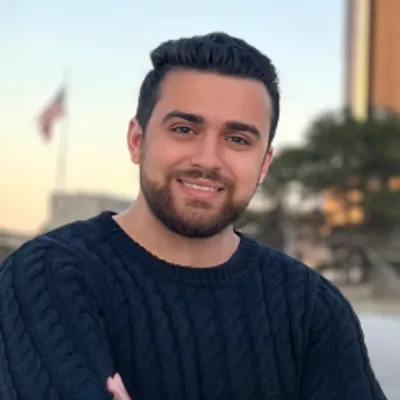

Researcher & Educator
Rami Tamimi focuses on integrating field surveying with advanced technologies like LiDAR and photogrammetry. With over a decade of experience in surveying, spanning land development and autonomous automotive technology. He leads the largest online surveying community on YouTube and founded The…
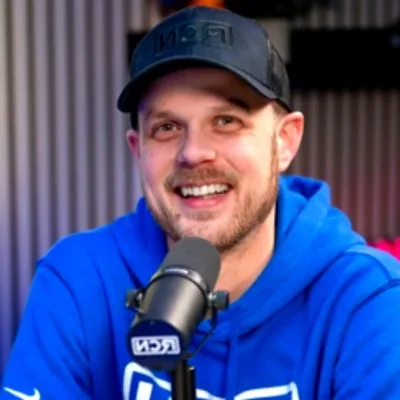
Founder, Reality Capture Network (RCN) | Podcast & Conference Host
Building Reality Capture Network from a podcast into a global ecosystem, he connects innovators through media, events, and community. He helps leaders in XR, AI, and digital twins gain clarity, build authority, and create real-world impact across the built environment.
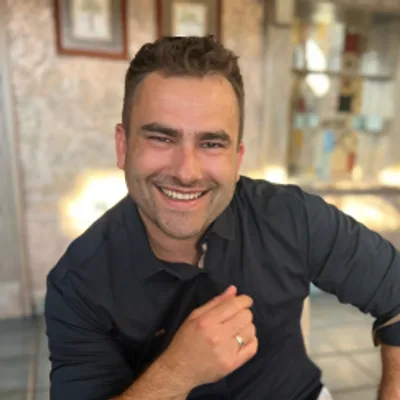
Co-founder of 3DISE, host of 2D Is Against My Religion
Building focused and engaged audience around 3D and AI that has something to do with computer vision or 3D. My goal is to be an informational hub for my audience and filter of new interesting HW and SW solutions, so that they don’t have to spend hours to keep up.
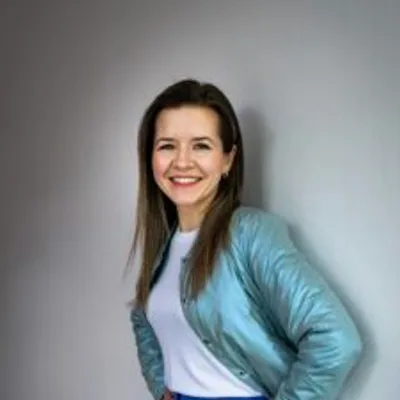
Founder @ Holky in Metaverse | Strategy & TMT @ Deloitte
Visionary consultant and strategist with 15+ years of experience at the intersection of business and cutting-edge technologies. Julie is founder of Holky in Metaverse, a community opening doors for women in emerging tech. As an XR pioneer, she brings the right people together and turns…


