

Olaf Freier, chief strategy officer of INTERGEO, and Michal Gula, co-founder of 3DISE, react to audience-voted hot takes on community, traditional education and training in the 3D industry. They explain why communities and events fill the gap left by schools that cannot keep up with fast-moving technology, how 3DISE came about, how INTERGEO brings students to the show, and why sharing content is the engine for growing the industry.
“community, from my point of view, is a multiplier of the, of the innovations.”
“just imagine that the Michelin chef would give you a recipe to his best meal. Do you think you would be able to cook it? No way.”
“only 1% of people that are active on LinkedIn are actually creating content.”
Olaf Freier describes community as a multiplier of innovation that turns individual insights into collective impact, and Michal Gula says communities fill the gap that the education system leaves.
Michal Gula says no school can yet teach what is presented at 3DISE, because technologies like Gaussian splatting are only about two years old, so conferences, communities and collaboration fill the gap.
According to Michal Gula, there is a big difference between information and skill: like a Michelin chef's recipe, shared information is useless without the experience and failures behind it.
Transcribed automatically (ElevenLabs Scribe) and lightly edited. It may contain small errors. Click a time to play the video from there.
Moderator: We keep on repeating one super important words, the keyword, and it's the community, education, and collaboration. Actually, those are three keywords. And that's exactly the topic that I'm going to explore in a greater depth with three amazing speakers and the panelists. So gentlemen, please join me on stage, uh, Michal Gula, co-founder of 3DISE. Let's give him a clap.
Moderator: Olaf Freier-
Olaf Freier: Thank you
Moderator: chief strategy officer, Intergeo. Olaf, welcome, and Matthew, welcome. Gentlemen, please grab your seats.
Michal Gula: Thank you.
Moderator: Olaf, okay.
Olaf Freier: Thank you.
Moderator: Perfect. So we're going to do this panel discussion in a slightly different, different manner. Uh, there will be a couple of different sections, and just to open that section, I'm going to introduce it with a hot take. And you can decide yourself as, along with the panelists, whether you agree or disagree with that take. Okay?
Moderator: So I'll start with the first take. We're going-- we'll be talking about the community. So the hot take is, community isn't a bad word, it's critical for the success of our industry. Agree or disagree? Again, let's wait for a, for a few moments.
Moderator: As you can see, on purpose, we didn't put there, like, the third option, like, "It depends." No. You have to pick the stance. Okay. Go ahead.
Moderator: Nine votes in. Thirteen votes in. Nobody wants to question that stance. Perfect. So I'll turn it over to you, Matthew.
Moderator: Let's start with yourself. Community isn't a bad word, it's critical for the success of our... Agree, uh, disagree?
Michal Gula: Someone disagreed. I don't... I can't believe. No. Uh, yeah, agree.
Michal Gula: Are we-- Do you need comments on it or just agree or disagree?
Moderator: We're gonna, we're gonna-
Michal Gula: Okay
Moderator: elaborate on that. Olaf, what about yourself?
Olaf Freier: Yeah, of course, I agree.
Moderator: Okay.
Michal Gula: I'd like to disagree just to keep it, like, you know, sort of...
Olaf Freier: Okay. Can you sit a bit more far away from me?
Michal Gula: No, I, of course, I agree.
Moderator: Perfect. So I think we've got a really strong alignment that the community is absolutely essential. But, uh, a really important thing, and I'll just bring this question over to you, and we're gonna elaborate on that. What does community mean to you in the context of, of the 3D technology? So let's start with you, uh, Michal.
Michal Gula: Community in, in the industry is, for me, something like if you have a government and it doesn't do their job well, then you need, like, NGOs and, uh, like, separate non-, uh, non-profit organizations that are, mm, doing job instead of the government, and they are doing well. Uh, communities in industry, for me, it's something similar because educational system is, uh, not able to just catch up with, with all the, the progress in, in our industry. So I think community is something that needs to fill up.
Moderator: Mm-hmm. So it's self-organize, uh, self-organized, sort of like organism stepping in to fill in certain gaps. Cool. Uh, building up on that, uh, Olaf, why do communities actually matter, and especially in the context of the 3D technologies?
Olaf Freier: Yeah. So, uh, community, from my point of view, is a multiplier of the, of the innovations. You know, it's, uh, very important to come together to, to see what, what are the current trends and what you can do with this, you know. And, uh, that means it's more or less turn individual insights into a collective impact. And I guess this is something which is really critical and crucial at the moment.
Olaf Freier: So we have a lot of opportunities out with, with now currently with the AI. And, uh, yeah, we have no time to, to discuss how to use it, and especially not discuss in, in silos how, why, and how we can get the best out of it. So we, we have to collaborate because we, we as a society have no time. So we, we, we have a challenge to get the, the, the things done for, for a better future, for a sustainable future. So, and, and this is how community can contribute on that, uh, uh, to, to do it in the best way forward.
Olaf Freier: So, but it means, uh, as you can see it here, it means a different approach, you know. So it's, it's not that we are competitors, so we, we collaborate to, to bring the industries forward. Uh, s- but not only our geospatial industry, but also the application industry, which, which benefit from, from all these developments which, which you could see here today, but also what you could see at Intergeo, for instance.
Moderator: Yeah. And, uh, following up on that, like, uh, you've been building the Intergeo for 17 years, if I'm not mistaken?
Olaf Freier: So as a company, it's now in the 30th year, so-
Moderator: All right
Olaf Freier: uh, for me personally, it's, it's my, my coming, uh, the 19th Intergeo because I had a pause of 10 years. So it's, uh, anyway, but it was not a sabbatical. Um, yeah, so for, for Intergeo it's, uh, or Intergeo is of course maybe an example when, when you, when you look back, the story begins in 19-- in 1995 when we took over the, the, the Intergeo, which called their Geodätentag, so it's a, it's really typical German word. Uh, so the owner of the Intergeo is the DVV, for those who is not knowing this. So we are here on the behalf of the DVV, and we are the organizing partner of the Intergeo and, and, uh, support them on, on the strategic base.
Olaf Freier: Um, yeah, we took over in 1995, and when I came into this business, in the exhibition industry, because, uh, before I was surv- uh, surveying engineer working five years in this, in this segment on the GPS part. Um, yeah, then changed side in 1998. I became a, a project manager for Intergeo. Um, so we, we, we were in Wiesbaden, so this city close to Frankfurt, and it was only 170 exhibitors. When you fast-forward now to-- now we have 600 exhibitors, nearly 18,000, uh, visitors on a yearly base.
Olaf Freier: So when you look- What is the contribution? You know, we generate 250K meetings at our three days, uh, show. So that means makes a lot con- contribution on that.
Moderator: Unbelievable. So really, events like this one and yours-
Olaf Freier: Yeah
Moderator: are really incremental-
Olaf Freier: Absolutely
Moderator: and, and essential for building that community. And I would love to pass that over to you, Matthew. You've been also building the community for the more than five years, if I'm not mistaken also. So what are-- how-- what would you say, how mature is the community of the 3D technologies?
Matthew Byrd: Yeah, I mean, to me, I think it's a critical part of, uh, the path forward because there's so many people that are still in silos. There's companies that work in silos. They aren't c- you know, connecting with each other. And I think unless people take the step to create these communities and put on these events and draw people together, um, that problem doesn't go away. Uh, one thing that comes to mind too, for me about why, you know, h- w-what is community too?
Matthew Byrd: Like we say we're a community. Well, it's so important.
Moderator: Exactly.
Matthew Byrd: W-what does that actually mean? Um, to me, it's truly wanting to make other people successful. Like it's bringing the best knowledge that you have and really being willing to share that with people i-in a way that helps them, helps their industry, helps their company, helps them in their career path. Um, and I think so many companies historically and, uh, you know, really have that competitive mindset of like, "We have to outdo each other. We have to-
Moderator: Right
Matthew Byrd: we want all the best, you know, for ourselves." And truly, you know, it's a cliché saying, but the rising tide lifts all boats. Well, there's a lot of boats, and I think the more that we can connect and help actually rise the tide and somebody focus on that, it really helps each business and each company, and it makes a really long-term massive impact on the industry because I'll throw out one example. If we don't talk about all of the scanner devices that exist and the different applications for them, and when you should use a mobile and low accuracy, or when you should use a high accuracy and terrestrial, well, people are going out and trying things on their own and sometimes they fail. What does a failure in a project do?
Matthew Byrd: It puts distrust in a technology. It puts distrust in an industry. It makes clients not want to pursue the technologies anymore. The benefits that come from people really coming together and sharing knowledge, it increases the entire market because people are performing better work. They understand workflows.
Matthew Byrd: They meet people that they should partner with and use in a technical workflow, and ultimately that brings more success to everybody involved. So truly, collaboration actually brings more opportunity to you than thinking, you know, this competitive way, so.
Moderator: And, uh, gentlemen, all three of you are actually an amazing example of the collaboration, and I would love to pass the next question over to you, Michael. So you came up with an idea of organizing the 3DISE Conference, and you got the support from these two gentlemen. Tell us the story.
Michal Gula: Uh, everything what was mentioned here, uh, is, is absolutely true. And, and we can-- we could see it in, in our market that, uh, client, clients are uneducated. Uh, people providing services are uneducated. Uh, each and every company that is selling only their own equipment or solution is just trying to push their brand and their, uh, solution because they're claiming they are the best. Uh, in, in reality, there is, uh, no one tool that would fit all the projects.
Michal Gula: So, uh, every, uh, professional company providing scanning jobs or, or basically digitization of, of objects, they need to work with different, uh, uh, tools, with different softwares. Usually, it's a combination of, of, uh, several, uh, brands that, uh, are at, at first glance, they are in a competition, but in reality, these companies, they usually are using the combination of those brands. So, so there is no professional, um, service provider that would use only, only one brand because it doesn't make sense, because there is no brand that would fit like all the applications that there are.
Moderator: Mm-hmm. And gentlemen, can you elaborate on actually how th- how this conference came about? Like, what was the, you know, what was the point?
Michal Gula: Ah, okay.
Moderator: What was the moment, you know, when, uh, when, when things started working together and you got the support from these, these two gentlemen?
Michal Gula: Yeah. So, um, we had many discussion with, with, uh, Tomas Barnas, with the co-founder of, of-
Moderator: Mm-hmm
Michal Gula: the 3DISE about how we could leverage our presence on the market because Thomas is very well known in the professional field of photogrammetry all over the world. He's, um, in almost all the, the possible professional, uh, groups online, offline, wherever, and he's very well known. Uh, I'm-- for the last three years, I've been doing, uh, a lot of work on, on LinkedIn, building the community around, uh, 3D, uh, mainly reality capturing, but also other applications. So we were just discussing like how we could leverage this, uh, not only for us, but like mentioned community as a whole, how we could educate more on, uh, on the market, on, on our, yours, theirs clients, and just to help the, the, the industry back because we did the hard work with, with, uh, being known, and now it's time for us just to pay back and just to help the industry to rise because, uh, I don't know, like laser scanning, for example, it has been in, on the market like maybe 30 years. Matthew?
Michal Gula: It's, it's maybe 30 years-
Matthew Byrd: Yeah
Michal Gula: or more, or more, right? But, uh, we still can see that, uh, clients are not educated enough, like, uh, architects or designers. There's-- They sometimes have like zero information about what's possible to do with the, with the laser scanning. So we just- ... said like, "Okay, let's help the market to, to educate and, and to bring industry up and, and just to help spread the industry and, and make more jobs possible there."
Moderator: Cool. And I'll pick on that point that you made over there, the education. Matthew, you've been running a successful podcast and also the events like the annual conferences and, uh, along with some others. Can you tell us the learnings? Like, what type of education works towards the clients, towards the community?
Moderator: Share some insights with us.
Matthew Byrd: Sure. Yeah. I mean, ugh, there's so many-- there's so much opportunity to educate. To me, um, you know, we see a lot of opportunity with media, right? Social media and using content creation as a form of education because everybody's online somewhere.
Matthew Byrd: Um, and I think our industry in whole, all the built environment industry, construction, architecture, engineering, typically are pretty bad at that.
Moderator: Mm-hmm.
Matthew Byrd: And so, uh, one easy path is creating case studies, creating examples of how a technology is used on a project, the lessons learned, the failures along the way, what the outcome is, what the ROI of a job is. Those things educate both the users who are trying to just now adopt scanning, right, uh, adopt a tool. They need to know why they would pick a certain tool. And then those same case studies also help the end clients, the owners, the people who own the project that they don't know if they should hire you. They don't know if they should adopt a tool.
Matthew Byrd: If they have the case study that shows the project, shows the ROI, well, now the client is gonna say, "Hey, I actually am interested in that too." So one piece, one medium, one case study, whether it's a written paper, a blog, a video, that piece of content can educate everyone who needs to adopt the tool, who should be using it, who should be funding it. Um, that's one example of an area that we think... A-and it's one reason when we started our conference, a big focus for us was we're gonna do one stage, and we're gonna film every single presentation. Why?
Matthew Byrd: Because a lot of conferences we go to have all these breakout rooms, and you're educating 30 people at a time, and then it dies right there with those people. And so for us, it's like, look, if we film this and turn this into useful content, we can put it on YouTube. Guess what? That's one of the biggest search engines in the world.
Moderator: Mm-hmm.
Matthew Byrd: People go on there to search. Yeah. So repurposing content in a way that actually spreads awareness to people that are looking for, uh, you know, information to learn. Um, those are a few thoughts.
Moderator: Perfect. Uh, that's, that's amazing. And actually, we are going to touch on the topic of the education, um, even the traditional one. So I would like to ask you once again to vote on the hot take. If we can get the poll basically over here, uh, just before we go deeper into this topic.
Moderator: Can we get the poll on the screen, please? So the hot take is traditional education is actually failing the 3D industry. Like, what are your thoughts on that? Matthew mentioned some of the activities that they are doing, whether it's a case study or repurposing the, the, the education and sharing, um, share, sharing those with other clients, which is fantastic. But what are your thoughts on tra-tra-traditional education is failing the 3D industry?
Moderator: And I'm going to turn it over to you gentlemen in a, in about a second. Uh, so once again, can we get the Slido please on the main screen, uh, so we can see the results, please? Perfect. So almost 80% say that agree, which is a pretty strong actually vote. Over there, 22 disagree.
Moderator: So I'm going to actually turn it over to, uh, you, Olaf. Uh, so what are your thoughts on the traditional education within the 3D industry? Like, where do the universities stand?
Olaf Freier: Uh, it's a g- it's a good question. You know, so we, we, we as a, as a platform, uh, yeah, we, we have to take care that we, that we contribute on, on reducing that failure, you know? Uh, and, and as Matthew said, so to, to spread the, the knowledge and, and sharing the knowledge and, and the, the best practice with the industry to, to close the gap. Um, it's, it's of course, not an easy one. Uh, and especially when you, when you look around and, and you s- you see how fast the, the, the technol- technology is running and, and, and changing.
Olaf Freier: It's also, also a bit critical to, to keep on, keep on path, you know, to follow up what is the latest trend, uh, to introdu- uh, to integrate it in, in your solution. So on one hand side, yeah, it's, it's a kind of a race, you know?
Moderator: Mm-hmm.
Olaf Freier: And, and, uh, we speed up over the last couple of years, I would like to say. Uh, but on the other hand, yeah, it's, it's something that it's, it's not clear where I can find the best, uh, information, knowledge and, and information about that what I need for, for doing my business in the, in, in the best way forward. And, uh, yeah, so we are back on, on the topic of collaboration. So that means we, we have to think about how we can accelerate this by bringing together the different people, experts from the industry by through, uh, collaboration like, like here with the Intergeo, 3DISE, and also with Real-Reality Capture Network. So this is something where we, when we combine things where when Michael says, "Okay, we, we have a huge community behind with a, with a, with a, uh, as an influencer with the followers, and also with our network, maybe we can contribute to give them a k- a kind of an orientation where they can find solution, you know?
Olaf Freier: So this is something what I, and how I see it at the moment.
Moderator: Mm-hmm. Um, Olaf, you mentioned that you've got a collaboration with the University of Frankfurt. Is that correct?
Olaf Freier: Yes, of course. So, uh, we, we are looking into it, uh, and it's w- it's about, about the young talents, you know. And, uh, uh, what we, what we will do in, in Frankfurt this year is, uh, collaborating with the university and bringing over the students and organizing walk and talk tours. So it's the first time that we do this, so we will have a dedicated area in-inside the Intergeo which called Geo Campus, where we, uh, have a, have a get together for, for the students, a point where they can, uh, come together and then there we st- we start on a walk and talk tour so that we bring them along a specific topic which we are discussing with the universities, which is also aligned with the, with the semester topics, um, to, to bring them alongside the, the, the show and bring them to the exhibitors to see what, what is the topic about, to give them an idea what they have to learn in that semester. So this is something what we try new- It's, uh, we, we see w- how it works, but, uh, so the university is to- to- totally happy and excited about this opportunity, and yeah, I w- I'm, I'm too, to see, uh, find new ways to, to bring young talents into this industry and, uh, and, and close the gap a bit.
Moderator: It's really awesome. And Michael, I know that you have invited or we've got some students over here sitting over here. So what is your take on the traditional education within the 3D, 3D industry?
Michal Gula: Only the worst. I mean, I, I, I think it's, it's really not only about the 3D industry, but I c- I can see the, the lack of, of good and up to time education in almost all industries. But since we are speaking about 3D, uh, please prove me wrong, but I, I don't have, uh, about-- I don't know about one university or one school that would be able to teach things that you have seen so far today, and you will see tomorrow. Not a single one in the world. It doesn't matter, Harvard, Oxford, it doesn't really matter.
Michal Gula: There is not a single school that could teach this, what you have seen. This is only experience. This is only, uh, falling forward, uh, failing forward, uh, actually. Uh, it, it means, uh, uh, millions of, of, of, uh, money spent on, on just trying, exploring, testing, buying stuff that you won't use because you just realize it's a shitty tool. Uh, but at the end, there is always a success.
Michal Gula: If you, if you keep exploring, if you keep, uh, grinding, if you keep hustling, there is always success at, at the end. So, uh, that- that's, that's my, my point, like education will not be able to catch up because, for example, tomorrow we will be spoke- speaking about the Gaussian splatting. This technology, uh, exists only for two y- two years. There is no professor on Earth that would be able to implement this into educational system right now. Okay?
Michal Gula: So the only way how to educate people a- about this are these conferences, communities, and collaborations.
Moderator: And you folks are doing absolutely marvelous job of bringing really those experts and, and making that knowledge actually shine over here. And, uh, this is very interesting, more of a comment rather than question. Uh, it is needed to, and I'll quote unquote it, uh, "It is n- uh, it is needed to educate not just professionals from the field, but the public community as well. Uh, sharing knowhow is the best way to grow the whole industry." Uh, I think this is a really beautiful comment.
Moderator: Uh, and I'll, I'll, I'll touch on, uh, this point a little bit more with you, Matthew, uh, because you said that you repurpose a lot of the content and you share it publicly on YouTube. Can you share some of the stats? How many people are you able to actually reach via the channels, whether it's a YouTube, podcast or whatnot?
Matthew Byrd: Uh, well, a lot.
Moderator: You got millions.
Matthew Byrd: I, I, I mean, you know, millions per year, right?
Moderator: Amazing.
Matthew Byrd: B- A- And because people also don't realize that the amount of reach you have when you look at all the different social platforms, it's not even just your own f- you know, following. It is the reach that spreads because people like, people engage, people repost, people share. You know, everybody that you're connected to can interact with yours that then spreads to their network. Like, it's, it's massive. It's a very untapped, uh, potential for our industry.
Matthew Byrd: Um, that, that's why it's such a focus for us. And, and our goal isn't just doing it for ourselves. It's like bringing awareness to the benefits that that can bring to everybody. Everybody should be doing more of it, more content, you know, documenting process, and you've seen some of it in presentations, uh, earlier today. I was impressed with how much they were documenting some of their jobs.
Matthew Byrd: They're out there filming the drone. They were seeing it under bridges. You're-- Like, that is more of what is needed to inspire people to even have interest in this. If you walk onto a campus and you ask students what they're going to school for, they would have no idea any of this exists, and yet you show them some of these videos, they're gonna go, "Wow, that looks really cool."
Moderator: Mm-hmm.
Matthew Byrd: Like, "How do I get into that?" And yes, uh, back to even the point of like is education fulfilling the needs of this industry, I don't wanna say, you know, nobody should go to college. Uh, my experience was I went to no college. All of my learning was hands-on, on-the-job training, and I built and sold a successful scanning company in this industry, and that's why I repurposed my experience to now tell others. It's like, look, if you don't know what you wanna do coming out of school yet, look into these technologies because companies are trying to hire right now.
Matthew Byrd: There's a lack of people that understand this technology. You can get an internship and get on-the-job training and learn how to do things you won't learn in school. It's hard for universities to keep up with the technology fast enough. There are some out there that are doing great research. Um, they're trying to get ahead.
Matthew Byrd: I've had four or five universities in the States ask me about, uh, can we find, you know, industry professionals that will be on the board or advise-
Moderator: Right
Matthew Byrd: us on the path to educate? Um, but there's really a lack of skilled people. All of this is on-the-job learning, and unless these people quit their job and go to teach at a university, then there's just a, a gap there.
Moderator: Got it. And Olaf, I saw at a multiple times you were nodding your head. What are your thoughts on this?
Olaf Freier: Yeah. So M- Matthew is totally right. So it's, it's, uh, showing how great our job can be. I guess this is the t- transferring the, into the fascinating job we, we, we can do, and this is something what we, what we have to pull out and what we have to, to share with, with the entire community, and especially to these young guys, you know. So, uh, and what you said, okay, when you look at the traditional thing, so these, this traditional surveyor is boring.
Olaf Freier: You know, so, oh, look at these guys on the street with their vest and so on, so forth. But flying a drone and, and, and contributes to, to great things, I guess this is something which really, um, make, make people excited to, to join. And, and this is a bit of the, the idea behind what I mentioned earlier, what we will do with the, with the students in Frankfurt. So, uh, and, and this is, this is of course needed and, and therefore you need a reach, you know? So it's, it's...
Olaf Freier: And this is the reason also why I'm saying, okay, we have a u- a huge reach like, like Matthew's, uh, said as well, so, and, and also with, with, with Michael reach. So I guess we would like to push a bit this thing-
Moderator: Brilliant
Olaf Freier: to, to do things in a different way, hopefully a better way in a, in a near future.
Moderator: Brilliant. And, uh, out of curiosity, you've got 17,000 people joining the, the exhibition/conference. Um, can you tell us a little bit more of the details? What type of people actually join, uh, your event? Like, what's the general public, so to speak, and people from within the field?
Olaf Freier: So yeah, we have a, we have a mixture, and we had a discussion about the, what is the community. Of course, the, the community is a bit-
Moderator: Sure
Olaf Freier: a bit, uh, different shape on, on our side, you know. So we, we have the guys from, from, from the mun- mun- municipality, as we, we have the, the guys from, uh, from the, from the core industry-
Moderator: Mm-hmm
Olaf Freier: which, uh, are related to, to, uh, produce, um, and g- develop the technology, but also, uh, collecting data and, and cr- and, and doing these, these great things on the sensor part, which is amazing at the moment what we c- what we can do collecting data. Um, but also we, we, we have the, the typical universities, uh, uh, which with us, which is also important and, and where we are now focusing a bit more is on the application industries, but something what we discussed earlier. Um, so we, we, we, we have to, to bring it out and, and say, "Look, here you find the technology and the solution what you make your business easier and, and more efficient." And, uh, and I had a discussion a bit earlier with, with Matthew and, and we agree on, so what we as, as, uh, as our geospatial community more or less missed is having a special like me, uh, when I studied a semester on marketing. So we are not able to, to promote ourself on the best way forward.
Olaf Freier: And, and so that it's bit, a bit of a, of a, yeah, yeah, it's something what I say it's, it's not the best way, uh, that we are n- having these great things with us, but are not able to, to share with the community, to address the community, to, to be part of these great things what we can do for, for near future.
Moderator: Thanks so much, Olaf. And we've got a probing question from the audience, so thanks so much even for the tougher questions, and I'll, uh, and I'll pass it over to you, Mi- uh, Michael. So community is nice. Again, I'll be quoting, "Community is nice, uh, and all, but how can I protect myself from being fooled and ripped off when I provide my knowledge and know-how?" What's your take on that?
Michal Gula: There's a big difference between information and skill.
Moderator: Mm-hmm.
Michal Gula: Uh, just imagine that the Michelin chef would give you a recipe to his best meal. Do you think you would be able to cook it? No way.
Moderator: Of course not. Of course not.
Michal Gula: Because you're missing the experience, you're missing the skill, you're missing the, all the failures before. So no, you, you don't need to worry about it. Uh, second thing, people are lazy asses. They, they, they really- Like to having the information is nothing, uh, because people usually, uh, they lack activity. They lack the, the, the first step.
Michal Gula: The first step is, is, is the toughest. Like I want to con- congratulate all of you that, that are here because you, you did a amazing leap, uh, into your future, I think. I really honestly think so, because we put together amazing speaker he- speakers here that are sharing like years and years of, of their own education, failures, skills, and everything. So I really think that, that you are really lucky guys and congr- congratulations to you.
Moderator: Uh, having said that, we've got one more hot take, and we're just basically touching on it, uh, in the past couple of questions. And the last hot take, uh, we want to know your opinion on is the, the 3D tech world doesn't need more tools, it needs better training. So what are your thoughts on that? Disagree or agree? So this is more of an equal split.
Moderator: Okay. Disagree, 56%, 50/50. Very interesting. Like this. The, the other, the other two were really, you know- ...
Moderator: just that was a very, it was very clear. But ov- over here, uh, we can say almost 50/50, almost half half. Um, all right. I'll just like, uh, pass it on to you guys. W- what are your, what are your thoughts on this?
Moderator: Like just do, let's do a quick round. Uh, agree, disagree.
Matthew Byrd: Uh, it does not need better tools, it needs better training. Absolutely.
Moderator: So better training. Okay.
Olaf Freier: Yeah, likewise. Better training.
Moderator: Better training. Michael, what about yourself?
Michal Gula: Am I allowed to say it depends? Or this, this is prohibited answer as well?
Moderator: It is prohibited. Agree or disagree.
Michal Gula: If agree or disagree, then, then, uh, I agree.
Moderator: You agree that it needs better training. Perfect. So, uh, on that note, what training/knowledge do you think, gentlemen, is most urgently needed actually right now within this space? Let's start with you, Michael.
Matthew Byrd: I mean, the first one that comes to mind with me is, you know, my background came from land surveying, and I first got into this industry by getting introduced to a laser scanner. And over the last 15 years, I've watched so many companies fail at the basics of how do we properly scan? How do we integrate control? Which device do we use? How do we keep it accurate when it's a critical project?
Matthew Byrd: Today, people that are entering the industry still don't have the answers to that. They don't know which device they should use for which type of project and which type of accuracy. And so there's nobody guiding that conversation. That's one of our number one, like- ... conversations is we, we have to train on the differences between the technologies that exist and help educate people and guide them to the right path of, uh, you hear people say it all the time up here in presentations, "The right tool for the job," and then they leave you at that, and you have no idea which tool to use for the job.
Matthew Byrd: Um, so and that's why I think the education content around case studies-
Moderator: Got it
Matthew Byrd: comparisons of processes, outcomes, like, we have to educate on those so that if we're gonna grow this industry, people are starting off on the right foot rather than running their head into the same wall that those that have started early have already done. Um, so that's the first piece.
Moderator: Got it. Olaf, what about yourself?
Olaf Freier: Um, I would like to open a bit a different view on that. So I would like to say when, when we, when we as a industry not s- would start every time, uh, developing any, any tool with the, with the technology first, but starting with the, with the, with the customers. What are the customers' needs? To go backwards, what, what kind of, of technology we need to, to serve them the best-
Moderator: Mm-hmm
Olaf Freier: so that make, ma- would make also the, the, the, the usage u- usage easier for them, you know? Because it's, it's more easy to handle it. You need less education because they are more... And we, you know from the game i- from the game industry, you know, so it's, it's easier to, to play a game where, where you maybe from the, uh, usability it's, it... when you got, have an easy enter- entry.
Olaf Freier: So from our point of view, we, we start always with the, with the technology, and we are so proud to have this technology, but it's so complicated and so complex to understand it. So maybe it's, it can be a way, a, a, a different way to start with the, with the, with the customers, with the users and, and, and start with their needs, uh, on, on, and on, on their job to, to develop a product.
Moderator: Mm-hmm. Got it. And Michael, I would wrap up this cool conversation with your take on it. So collaboration, community, education, all these things. Uh, what drivers will be pushing the whole industry forward from your perspective?
Michal Gula: Content creation. I think Matthew said it, like, too few people are sharing what they are actually doing, what they found out, what they are exploring, what they want to explore in the future. Um, just a little statistics from, from LinkedIn, uh, you have to understand that only 1% of people that are active on LinkedIn are actually creating content. So i- if you are looking for, for the, for some kind of audience, for, for some reach, you are in the best position ever. Like, uh, we're in f- pardon my French, but we're in a fucking sexy industry.
Michal Gula: Like, you cannot imagine what would salesperson of insurance- ... would, would pay for having such visuals that, that we have. We have these beautiful datasets. Please do capture video, do renders, do, uh, the backstage, uh, shootings of how you do s- do this stuff, and just share the content. I, I think this has to be the engine of, of, uh, sharing knowledge and, and building more community and education.
Moderator: Michael, Olaf, Matthew, thank you for sharing your knowledge, your insights, and for making actually this conference happen. Please, let's give these gentlemen a huge round of applause for bringing us over here, for bringing all those case studies on this stage. As you said, this is an absolutely unique platform where you can see a unique content. Ladies and gentlemen, thank you so much. Uh, we're going to have a break of about 25 minutes.
Moderator: The coffee and snacks will be served-
Matthew Byrd: Thank you
Moderator: in this part of the hall, and we'll be back at 5:00 PM for the last section of amazing content. Thank you so much.
Matthew Byrd: Thank you.
Moderator: Gentlemen.
Olaf Freier: Thank you.
Moderator: Thank you. Thanks so much.
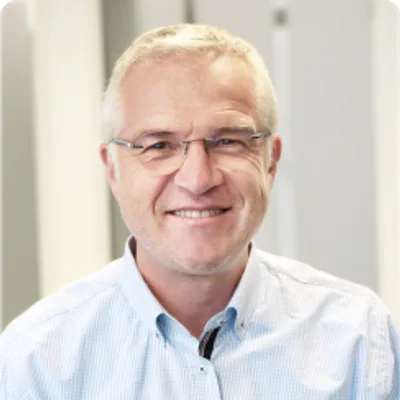

CSO of Hinte Expo (INTERGEO)
Starting his career as a surveying engineer, Olaf is a passionate networker and community builder. As an organizing partner of DVW, he has transformed INTERGEO into a global geospatial hub since 1998. After leading transport events at RX Global, he returned to HINTE in 2024 to drive innovation and…
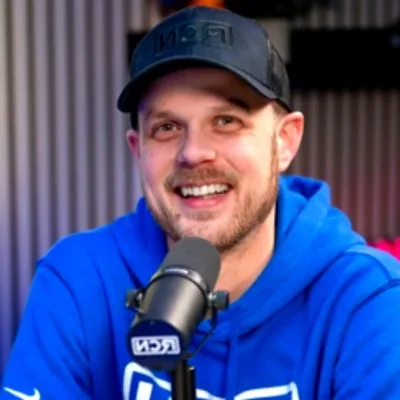
Founder, Reality Capture Network (RCN) | Podcast & Conference Host
Building Reality Capture Network from a podcast into a global ecosystem, he connects innovators through media, events, and community. He helps leaders in XR, AI, and digital twins gain clarity, build authority, and create real-world impact across the built environment.
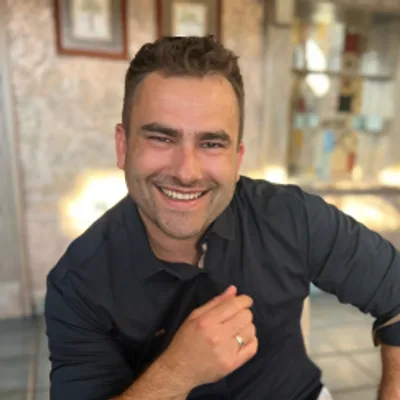
Co-founder of 3DISE, host of 2D Is Against My Religion
Building focused and engaged audience around 3D and AI that has something to do with computer vision or 3D. My goal is to be an informational hub for my audience and filter of new interesting HW and SW solutions, so that they don’t have to spend hours to keep up.


