

Olaf Freier of INTERGEO, Michal Gula of 3DISE and Stephanie Dockstader of Esri discuss why the 3D and geospatial industry needs new people and how to bring them in. The panel covers community and events, student programs, why universities rarely respond even to free tickets, mentoring in a fast-changing field, the skills newcomers need and how to promote the industry beyond its own bubble.
“I'm always saying that we are in a very sexy industry, and we, for some reason, are afraid to show it.”
“And it is not entering an industry, it's entering a community.”
“there's a lot of people out there who are hungry for 3D that don't even know it yet.”
Olaf Freier said yes, and INTERGEO also runs a GeoCampus area and walk-and-talk tours with universities that bring students to companies whose technology they study.
Michal Gula said universities rarely react even to free tickets, Olaf Freier said some professors see it as a lost teaching day, and Stephanie Dockstader named the cost of travel as a major barrier.
Stephanie Dockstader stressed communication and starting one-on-one conversations in person, while Michal Gula named adaptability, since careers will change several times.
Transcribed automatically (ElevenLabs Scribe) and lightly edited. It may contain small errors. Click a time to play the video from there.
Moderator: Now we're going to be discussing people, because we all know that the technology is o- only one part of the equation. Without people, this industry really wouldn't exist. And while we are actually setting up the stage for the final discussion, I have a question for you that I would like to ask, and I would like to hear your opinion on at Slido. So let's-
Michal Gula: Yeah
Moderator: display Slido, uh, please. And my question to you is, and but truly think about it, all right? Like this isn't supposed to be a leading questioning. I, I really want to hear your opinion. The future of 3D technology will be shaped not just by tools, but by how we effectively actually bring new people in.
Moderator: Agree or disagree? Oh, thank you. Just give it a moment and think about it. Is it really about people or the technology will still hold the reins? What are your thoughts on this?
Moderator: Let us see where you actually stand on the topic. All right, I'll keep the poll open. Uh, so once again, the title will be How to Bring New People into the 3D Industry So We All Can Thrive. We've got incredible panelists, so let me invite them to the stage one by one. Please join me in welcoming the Chief Strategy Officer at Intergeo, Olaf Freier.
Moderator: Let's give it up for Olaf.
Michal Gula: Hi.
Moderator: Olaf, welcome. All right. Co-founder of 3DISE, Michal Gula. Let's give it up for Michal.
Michal Gula: Thank you.
Moderator: And Director of Imagery and Remote Sensing Solutions at Esri, Stephanie Dockstader. Let's give it up for Stephanie. Stephanie, welcome. Perfect. Please take a seat.
Michal Gula: Thanks.
Moderator: Perfect. Uh, can we, uh, perfect. Um, just for the guests over here. Very cool.
Michal Gula: I have this one.
Moderator: And it would be awesome to display the Slido results, please, just so we see how you voted. All right. So the question was, the future of 3D technology will be shaped not just by the tools, but, but by how we effectively bring new people in. 97%, almost unanimously, people voted that it, this industry is really about people, which is fantastic. And, uh, I would love to kick things off, um, from the bird eye perspective.
Moderator: So why is it so important right now for our industry to bring new people in? Don't we have enough people? Olaf.
Michal Gula: It's a good question for me personally, as, as, uh, organizer of Intergeo, so we have a different kind of view on that. But what w- what I see and what I hear from, from the industry, I think it's needed, uh, that we bring in new people also with different mindsets to, to, to del- to leverage the potential which comes with the technology, uh, to use all the data we, we generate and we capture what we hear during the last two days, and how to use the, the technology and, and make the best out of it. I guess it is something where we need also the generation and the new people which have to live and have to work with that.
Moderator: Mm-hmm. Uh, let me build up on the last point that you made. Uh, Michal, question to you: Where do you think people discover this industry for the actually very first time these days? How do they get into it?
Michal Gula: I think it's quite difficult because from what I can see, the educa- educational institutions are not doing good enough job with, uh, bringing new technology, new workflows, new solution, uh, to the students. So I think this, this social media and, and events like this are maybe the only way how they could get to know wha- what's happening in the world of-
Moderator: Mm-hmm
Michal Gula: of geospatial.
Moderator: Stephanie, what is your viewpoint on that? Are we doing enough to proactively bring people, new people in?
Stephanie Dockstader: Um, I think we could do more, for sure.
Moderator: Okay.
Stephanie Dockstader: Um, it, it's, it is tough, especially because people are diversifying so much in what they want to do. It's hard to pinpoint one specific role or job that you will take. So we have to almost i- i- talk about and educate people on all different roles, um, and the different aspects of them. So I think, um, with this community, it's easy to start with technology and sensors, but what I've learned over the last couple days is the creativity and artistic part of this could be a way to draw people in also, so.
Moderator: Beautiful. And, um, I would like to encourage you, dear audience, please submit your questions for our awesome panelists so, uh, we can, we can address those questions. Um, uh, we can address those questions. Brilliant. Well, I'll...
Moderator: Let me just like a pick on that keyword, um, community. Uh, Michal, you're really big on community. Okay. So what-
Michal Gula: I'm trying.
Moderator: You are. You are. Online and offline over here. So what does community actually mean to you when it comes to bringing new people in?
Michal Gula: I think that the community is, is, uh, like a nerve system of, of the whole industry because, uh, the information is not spreading through marketing materials of big companies or, uh, TV or, I don't know, like, like the news on, on some kind of the, the internet, uh, providers. I think that the communication among people through WhatsApp, through LinkedIn, or through whatever is spreading, uh, very fast, and community actually means supporting this, this- ... information, uh, delivery and distribution.
Moderator: Mm-hmm. Uh, Olaf, over to you. Uh, how many people did you bring together, uh, for, uh, the Intergeo 2025?
Olaf Freier: Yeah. So we, we welcome in Frankfurt 18,500 people. This was a very high number, and of course, this something what was come also f- uh, out of the industry, you know. So als- the reality capturing part was, was one driver, but of course, overall it was, uh, AI w- as a topic, which was really a main driver for gathering so many people. Um, and, and this is of course what we, I guess everyone knows, we, we have to bring in and we have to bring together these kind of, of number of people to, to, to force the dialogue of, of things from getting the existing technology and, and expertise we have, uh, together with the, with the, with the newest technology which is on and, and come, coming with the, with the AI.
Olaf Freier: So, uh, I was very happy with the team to gather such a kind of number for Frankfurt and of course we're looking forward to do the same in Munich, uh, to continue the party, you know.
Moderator: Okay. Awesome. Uh, Stephanie, I know that you're, at Esri, really big on organizing events. Uh, what role do events play in creating the community of 3D professionals?
Stephanie Dockstader: Uh, it's, it's a big thing. Um, I would say we have a large user conference every summer in San Diego, and we have 20,000 in person and probably 1,400 online. And for a lot of people, that's their first exposure to Esri and our community.
Moderator: Mm-hmm.
Stephanie Dockstader: Uh, so lots of different types of events socially where we can help people make connections together. So we'll have social events that are based on your industry, whether it's construction or commercial business or government. But then we also have groups where you can get together, like women in GIS or young professionals, so trying to find lots of different ways for people to find that connection with other people, uh, in the same community. And then special interest groups. And then the best thing is that with that big a conference, you have such a critical mass of people-
Moderator: Mm-hmm
Stephanie Dockstader: that Esri opens up the ability for any groups to come and have their own, um, meetings there. So they'll reserve certain rooms so that you can have your, um, community meeting there and host it yourself.
Moderator: Let's be a bit practical. I assume most of the audience over here is from Europe.
Stephanie Dockstader: Okay.
Moderator: Uh, do you organize any events in Europe on behalf of Esri?
Stephanie Dockstader: Um, we usually do that through our distributors.
Moderator: Okay.
Stephanie Dockstader: I mean, we will do some, some events, like we do come to Intergeo and have a big representation there. But it tends to be very regional based on our distributors hosting, and we assist with those.
Moderator: Great.
Stephanie Dockstader: Yeah.
Moderator: Okay. Thank you. Uh, Michal, over to you. Um, you know, we were just discussing with Olaf and Stephanie that sometimes, uh, people might be sort of afraid of entering the new industry or approaching people, uh, that are suited up. Um, so from your perspective, what actually makes somebody feel welcome in a technical industry like 3D?
Michal Gula: I think it, it goes for, for many other industries, not only for ours.
Moderator: Mm-hmm.
Michal Gula: Uh, I think we need a disruption.
Moderator: Mm-hmm.
Michal Gula: Uh, in almost everything, so. What we are trying also to do here in, uh, on 3DISE is to create a atmosphere where you are not expected to wear suit, where you are not expected to talk too technical, where you are not afraid to ask that you don't understand something, where you are not afraid to approach the person that you know only from LinkedIn, for example, or YouTube. I think that's the way how we can, uh, bring new people b- be- because, um, if we do something similarly for over 20, 30 years, we can expect only the similar results. So if we want different results, we have to do something differently.
Moderator: Mm-hmm. Olaf, I know that you are doing many different activities as part of the, the Intergeo to sort of facilitate that kind of a dialogue between the companies and the newcomers and students. Can you tell us more about it?
Olaf Freier: Uh, yes, of course. Um, I guess maybe it's not so known in the audience, but, uh, as you said, we, we try to do a lot of things behind the scenes. So we address different, uh, generation, like, let, uh, let talent like this. Uh, so especially for, for new talents or also newcomers, we, we have our GeoCampus area, where we have special program where students, but also a newcomer can meet and get in touch with the industry and have exchange with younger people to share experience, how to get a, an apprenticeship or, uh, how to get an, uh, any, any company for volunteer. Um, we started something new last year in Frankfurt with very good success that we collaborate with university, uh, s- and especially we started with Frankfurt and, um, so we, we set up a walk and talk tour.
Olaf Freier: So this is something, okay, a guided tour, so it looks boring, but it was something b- little bit different, so that we set up a program with the university itself and, uh, said, "Okay, what kind of program, what kind of agenda these students have during their semester?" And alongside this agenda, we set up, uh, this tour and, and bring these students to companies who were pr- representing a, a service or software or technology, what they were forced to learn, so they had a good idea what comes next. And, and this was very successful. We got very good feedback from, from, uh, the professors, but also from the students.
Moderator: Brilliant. And once again, let's get practical. If a student, I am a student, I would love to attend an Intergeo, uh, do I get a free access? Do I get a free pass?
Olaf Freier: Yes, of course. You know, it's, it's, uh, of course, it's like this, you know- This is sometimes we-- it's, it-- we, we get understand that we only sell any, any kind of geometer- geometry in the hall. So but nobody challenge us to, to ask, "Okay, can we do something different?" As you said, you know. So you look at the show and say, "Yeah, I can go there, and hopefully they open the doors at the right time that I can enter."
Olaf Freier: But, but nobody ask us, okay, what we can do on bringing more new talents in, or it is possible to run any kind of a program, special program in a different way, uh, inside a, a, a show like Intergeo. So everything comes from ourself, and of course, now we try to understand as best the industry, but it, of course, we can't look at every corner and not know in detail the needs and the demand. So that means we try to figure out what's possible, and, and we, as I said, we have, we have different, uh, opportunities, but also for the co-community itself. When remember on, on Wednesday evening when we have our party in the halls, so this is also a great commute-- uh, recruitment process, I would like to say, what start at half past five in the halls. So we do different things b-belongside the, the business one, you know.
Moderator: Definitely. Uh, that evening broke down on many barriers. So, uh, I, I want to encourage you. I was one of those people who, um, you know, sort of experienced that thing. So if you're a student, definitely do come.
Moderator: It, it was-
Michal Gula: If, if I can, I would add-
Moderator: Go ahead. Of course
Michal Gula: to, to the students tickets, because I don't think it's only about whether students can get for free to the conference.
Moderator: Right.
Michal Gula: Uh, what I see as a problem is that they actually need the support from, from their teachers and professors.
Moderator: That is-
Michal Gula: Because, uh, what we have experienced, we are here only second year. What we have experienced, and even if you offer free tickets to the university-
Moderator: Mm-hmm
Michal Gula: they rarely react. And that I see as a huge problem, because if, if the professor with their students are not able to just pack their bags-
Moderator: Mm-hmm
Michal Gula: and, I don't know, slee-sleep at the train station, I, I don't really care. But if you can come here for free to such a conference and you don't, I see it as a huge problem.
Moderator: Thank you s-
Michal Gula: And it's, it's not a problem of the money, because we can offer the tickets, right?
Moderator: Uh, awesome. And it actually touches on the question from Alexandra. Like, these kind of events are very important to reach the community. How about universities? Uh, so maybe we can elaborate on that, what your experience is.
Moderator: Stephanie, how are things, uh, in the US mainly? How closely do you cooperate with universities?
Stephanie Dockstader: Yeah. At, at Esri, we have a very strong software. So we're a software platform and, um, pretty much the universities have special pricing and programs, but we also provide, um, training, but also information they can use directly into their coursework, um, to help come up to speed with the software. Uh, we also have students that come to our events and, um, it's interesting 'cause we ask them to take on a role. They get free, um, admission to the conference.
Stephanie Dockstader: But it's not so much to make them do work for us, but it's to place them with our employees and with our customers and give them that experience, um-
Moderator: Mm-hmm
Stephanie Dockstader: as almost within the booth and the industry thing. So, and they find that really valuable. They make great connections there, so.
Moderator: Mm-hmm.
Stephanie Dockstader: Yeah.
Moderator: Olaf, what is your take on that topic? How closely do you work as Intergeo, uh, with the universities?
Olaf Freier: Yeah. First of all, I can, uh, underpin that what's, what Michal was-
Moderator: Yeah
Olaf Freier: saying. Um, it's very hard to, to get those, uh, universities in and, uh, sometimes also the feeling that they say, "Okay, when they, when my students go to the, to Intergeo, so I have one day less to teach them." So it's, it's something which is also a kind of a m- a mindset change is needed, you know. So and, uh, we try to reach out and, uh, to, to give them any, any kind of, that it's matter that they come to, to Intergeo, not only, yeah, having a day off and something like this. So, um, what, what is a hope and whic-which gives a positive outlook from my point of view was the experience of last year with the, with the walk and talk tours with the universities, because there was something behind which gave them a sense why they're doing this, you know.
Olaf Freier: And, and of course, being closer to, to the universities and to their agenda of the sem-semester gave them maybe that kind of hint, "Oh, it makes sense to do this," you know.
Moderator: Mm-hmm.
Olaf Freier: And what I can say, we have almost, uh, more than 100, um, uh, uh, registered students for, from Munich because of that. So we, we share this and, and, uh, so I hope it will continue, but, but it's only, yeah, a small plant which starts growing, you know.
Moderator: Mm-hmm.
Stephanie Dockstader: Can I add to that?
Moderator: Yeah, absolutely.
Stephanie Dockstader: Um, so one of the issues we see too is the cost of travel.
Moderator: Yeah.
Stephanie Dockstader: Just, uh, even if you give them the free conference pass, getting them there. And I work with a professional organization where we have a student contest, and instead of asking for the cash award for winning, they said, "Can you pay for me to come to the conference and present my work?" And that was a big change for us to see that. Um, it just travel's gotten so expensive.
Moderator: Mm-hmm.
Stephanie Dockstader: Um, and then, you know, having to know far enough out. So we, we see that as a challenge that we've been trying to address too.
Moderator: Mm-hmm.
Stephanie Dockstader: Yeah.
Moderator: Sure. Go ahead.
Olaf Freier: Yeah. I would, I would like to take, take up on, on this topic. So it's, it's on us, to be honest, you know. So we as organizer, but so all the exhibitors at, at a show like Intergeo, you know, when, when it's our interest to bring in these people, so we should talk about and, and think and discuss what is the best way forward, you know. Uh, open up any funding to, to make it happen, to, to bring, I don't know, 50, 100, 150 people to a show would make sense.
Olaf Freier: It helps the industry, it helps the people, it help the exhibitors at the end. But we haven't this discussion, you know. So it's, it's-- we, we start always on the wrong side on, on looking at it, you know. This is something what I see from my point.
Michal Gula: This is, this is very true, and I, I would like go back like three years or so when we first met at, uh, Intergeo when- I had a collaboration, marketing collaboration with Intergeo, and, uh, I was invited by Olaf, and also with Rami. Uh, we had a great discussion about how we need to bring young people into, into industry and, and Olaf just shared with us that he's speaking to big companies, including like Esri and all the behemoths of, of the industry, and they share the very same problem. Uh, they feel the lack of new people, and, uh, they, they are struggling with, with finding good coders, good, uh, business developers, good like in any, uh, i-in any section of, of, of, uh, their companies. And, uh, this wa- was definitely one of the moments when we understood each other and, and, uh, said that, "Yeah, we, we gotta do something with that." Uh, with that being said, I think that this is a really great idea to try to put those behemoths and big companies together and try to find some way how to fund these, uh, these students and, and universities.
Michal Gula: And it's really not about the tickets, right? It's as, as you said, it's, it's about getting to, to the city, sleep somewhere, okay? Students don't need five-star hotels, right? So we should be able to find, uh, an economically feasible way how to get, for example, for this conference, easily we can get like 100,000, uh, uh, 100,000, 100 students to, to come here from the, from the, from the fields that are related to, to this, okay? We don't need the international business students to come here.
Michal Gula: But there are geodesy, um, um, colleges, uh, the, the, there are people that are very connected and students very connected to, to our industry, and we need to bring them here or to Intergeo or, or to your conference, Esri.
Moderator: Awesome. Uh, so we're talking about, you know, different strategies how to bring people in. Let's now, uh, just zoom out for a moment. And Rami, thank you for that question. Um, Michal, over to you.
Moderator: Uh, what has worked as motivation for most people outside the industry to get into our geospatial industry?
Michal Gula: I'm not sure that it's a good question for me.
Moderator: All right. So okay, Stephanie, what about yourself?
Stephanie Dockstader: Yeah. I, I think, again, I, what I was trying to say before is that I see the younger people don't wanna get stuck in one-
Moderator: Uh-huh
Stephanie Dockstader: role. They wanna be able to experiment and do lots of different things. So y- you know, trying to show the diversity of things you can do within the industry with the different types of technology, I think is important.
Moderator: Mm-hmm.
Stephanie Dockstader: Um.
Moderator: Olaf.
Olaf Freier: The question is very good because, uh, I have to say, is there any motivation to bring in people into this industry? You know, when I, when I look into, into the different, uh, booths, uh, at Intergeo, I, I only can say I see only a business style. Okay, I get it, you know, they, they have a huge invest and coming over, have the repent- uh, representation and, and they have to create leads, you know? But, you know, when you, when you're complaining about having a lack on, on, on, on people, you know, especially on new people, um, but giving no opportunity to enter, you know? And it is not entering an industry, it's entering a community.
Olaf Freier: So, and there's a totally a lack, so that means for me it's not the question. You know, it's currently I see nothing from my point of view. I know that Esri is really doing, doing a lot, but overall I, I not see that motivation. You know, I can't see any, any campaign show, showing very glowy what, what kind of potential our industry has, you know? So, and, and showcasing and, and explaining that, that we design the n- the future, doesn't matter in which way.
Olaf Freier: So nothing has happened, you know, and, and we only looking on, on the business cases and, and we celebrating ourself about the technology and what we achieve, but we forget the young people we need into, into our, our community, you know? And, and this is something what I see. So I see no motivation outside. So, but Rami, when you know someone, let me know. I would like to get to know about it.
Moderator: So let's, let's just dream for a moment, okay? We have unlimited resources, we have unlimited time, and our tasks is to promote this industry as a substantial career for young professionals. How would you go about it?
Michal Gula: I, I don't think it's only about the money, about the budget. I'm always saying that we are in a very sexy industry, and we, for some reason, are afraid to show it.
Moderator: Mm-hmm.
Michal Gula: Right? Especially on, on social media, like being able to, to see, as, as also, uh, Bert was, was showing, like these beautiful point clouds, meshes, now 3D geospatial mapping. This, this is really very pleasing to watch even for people that are outside, totally outside of our industry. So we are not leveraging enough this, this opportunity on social media. It's very difficult for a mortgage broker to show something sexy, right?
Michal Gula: In, beside the, the, I don't know what pictures. But for us, it's very easy to show very nice, very eyes-pleasing, uh, datasets, and we should be leveraging this and just flooding the social media with-
Moderator: Of course
Michal Gula: what we can do in our industry.
Moderator: But again, there's just so many, you know, influencers and people who are already promoting the industry, such as three of you. Uh, so you know, just step by step getting the word basically out, out there. Um, I would love to, uh, actually, Michal, follow up on what you said because you are one of the biggest promoters-
Michal Gula: Yeah
Moderator: and educators. Um, so as when, when a new person enters in the industry, you know, you just look around, everything is new to you, so mentors are so important. So do you agree that in an industry that is, and on top of that, do you agree that in an industry that is changing so quickly, it is difficult to be a mentor for the next generation?
Michal Gula: I am a father of two sons, and I'm asking myself this question every day, like, what should I teach them? Uh, what do I want from them to become? And the world is changing so fast that my only wish is to raise them not being assholes. Just, just like to be a normal people. Right?
Michal Gula: Uh, because I have no idea what's gonna happen in, in five years, like, like zero idea. I'm trying to be on the top of the all the information in our industry, and I'm almost lost. I cannot imagine anybody else just, just doing their daily job to, to be able to predict what's gonna happen.
Moderator: Mm-hmm.
Stephanie Dockstader: Mm-hmm. Can I add to that?
Moderator: Absolutely. Absolutely.
Stephanie Dockstader: Um, so I do quite a bit of mentoring in the GIS community. And I, I think it's hard to be a mentor today because, um, there, a lot of the students or young people that come to me are looking for, like, easy check steps of like, you know, "Tell me to do this, tell me to do this, and then I'll, I'll move up to the next role." And I think, um, getting them to bring something to their mentorship instead of just their time.
Moderator: Mm-hmm.
Stephanie Dockstader: You know, do some tinkering with the data or explore some things on your own and then come so that the mentor can interact with that and help. There, there seems to be a gap there. And so if we can encourage the, the y- the new people or the younger professionals to, to dig in a little bit-
Moderator: Mm-hmm
Stephanie Dockstader: and explore before they come, it just makes it easier to help guide them-
Moderator: Mm-hmm
Stephanie Dockstader: I would say, through the process.
Moderator: Awesome. Olaf, let's build on, on this discussion. Uh, Anna Franco is asking, "How can we as professionals from the industry, uh, c- how can we as professionals from the industry contribute to the growth of the community or other companies that are attending, for example, Intergeo?"
Olaf Freier: Yeah. So it's a good question. I would like to say I see different layers, to be honest, you know. So first of all is, um, joining forces. I guess this is the most important thing, uh, when it, when it comes to this topic, how we can contribute to the growth, you know.
Olaf Freier: So giving up, uh, these, these silos and, and joining forces on easy things. It's not that we will share secrets or something like this. So it's only on a, on a high level that we can do a lot, uh, uh, on, on growing the industry and the community. Um, then of course, reducing, pulling down the barriers to enter these communities, you know. This is something what I would also like to say.
Olaf Freier: Um, and, and especially when, when we look on, on new talents and, and, and newcomers, I would like to say that we, that we create an environment that they are brave enough to stand up to showcase what kind of potential they have. And, and we should be able to give them this kind of stage. You know, when I, when I think at, at Intergeo, for instance, I would like to say giving them an own stage, you know, and, and showcasing how they see and how they look at our world and what they can think they can do with the technology and the data we always generate and, and able to, to create. And I guess the industry itself is waiting for this, is my, my gut feeling, because, uh, th- they are maybe not as, I wouldn't say not brave enough, but, but maybe that not that time to get disrupted.
Moderator: Mm-hmm.
Olaf Freier: But when someone is there to, to showcase what is, what is maybe possible, they of course easily can, can think about, "Okay, that's good for me, that is good for that, and this is c- how I, how I can bring things forward or how I can contribute to that." So that means that, that we give these kind of, of, of, of communities a chance to stand up and, and showcase themself, to give others the opportunities to bring them forward. So I guess the other way around is not possible because time is running, what we say, and, and, uh, yeah, the market's not waiting. So we need, we need anything which accelerate this process.
Moderator: Awesome. So, uh, just to summarize what Michal was saying, like, uh, uh, it's a lot about spreading the word about the industry and sort of promoting it. And what you're saying, what both of you are saying, it's about creating that kind of a space and a platform for, uh, young people to actually come forward and just, you know, show, show their ideas and their potential. Uh, ju- just a quick note, we're gonna continue. What I did in the, in the meantime, uh, I love this discussion.
Moderator: I love how much you wanna contribute to it. Uh, what I did just right now, we would love to hear your ideas, all right? How, what are your ideas on how to bring more talent to our industry? What do you think? This is an amazing opportunity for you to share, you know, with these amazing people who are really forming and contributing to the formation of this industry.
Moderator: What could we be doing more, uh, or what could we be building on? So please, uh, keep on, uh, posting. We can just take a quick look. So conferences, uh, meetings in the universities or, uh, this is something which we touched on. Promotion, that's what, Michael, you were talking about.
Moderator: Uh, perfect. Anything that stands out for you? Be inspiration for them.
Stephanie Dockstader: Mm-hmm.
Moderator: Again, something which we touched on. Events at universities. Uh, does any of you have any experience with events at universities?
Michal Gula: Not yet.
Moderator: Not yet. Okay, cool. Um-
Michal Gula: Maybe i- if I can add, because the, the question from Anna, actually, I would like to give Anna the, the shout-out because, uh, she has been very active. Uh, she, she's our brand ambassador of, of the 3DISE, and that's actually what I want to, to touch, uh, as a point, because you mentioned several times that I have a lot of followers on LinkedIn, but we have to understand that we are living in bubbles, right? So even though I have almost 100,000 followers on LinkedIn, it's still a small bubble. And I have only so much to, to give and, and to be heard. Okay?
Michal Gula: And it's very important to understand that most of the people are living outside of the bubble. So how to get to the, the bubble is to find one connection that has their own bubble, right? So Anna is a perfect example of, of, uh, that different kind of a bubble which I am connected to or we as a 3DISE are connected to and she has her own bubble-
Moderator: Mm-hmm
Michal Gula: which-- where she can spread the information and just distribute the, the news and, and information about the conference and new technologies. So I, I think this could be the way.
Moderator: So tapping into the network effect-
Michal Gula: Yeah
Moderator: basically.
Michal Gula: Yeah.
Moderator: Really-
Michal Gula: But the physical network, you, you know-
Moderator: Sure
Michal Gula: not only through social media.
Moderator: Yeah, yeah. Awesome. Uh, Anna, can you raise your hand? Okay. Let's give her a round of applause.
Moderator: She's been amazing. Thanks so much. Awesome. Uh, let's get back to some of the questions because we were talking about the support, right? That we could be giving to our industry.
Moderator: Uh, what about the skills? Let's now talk about the skills. What skills are needed, are requested, are required when, uh, newcomers want to enter this industry? And I assume it's, you know, job specific, but maybe Stephanie, could you shed some light on some concrete skills that the newcomers need?
Stephanie Dockstader: Well, it's just funny how much communication is becoming important too. I think people get comfortable with, uh-
Moderator: Mm-hmm
Stephanie Dockstader: being online and, and being virtual, um, and then when you get together it feels a little harder, right? So I, I think reaching out, initiating conversations-
Moderator: Yeah
Stephanie Dockstader: in person, one-on-one personal conversations so that you're not just part of the group, I, I think that really helps to make those connections. Mm.
Moderator: Very cool. Um, I would love to hear your take on it, Olaf. You put together dozens, maybe hundreds of, uh, of companies together. Um, from your perspective, what are they looking for in newcomers?
Olaf Freier: That's a good question. So, and I'm, I'm really not s- not able to tell the details. You know, the only thing that I only get heard that they complain that they have not enough people and maybe have not the right people, I guess. Um, what they mean, it's only my interpretation, is, uh, that they need that kind of s-skill set and, and kind of thinking of that what is needed for tomorrow. And also that means the, the n-new generation which needed to get the transfer of that what we have to that what we need and, um, I guess this is also when, when I would say s- like to say I will develop the, the next, uh, uh, sh- future event for something that's wrong.
Olaf Freier: You know, look at my, my hair, it's gray, so I'm not the one who will develop a new show. These are the guys we, we have at the back, which are young, and we try to, to enable them to, to behave like this. So I guess this is something what they are looking for. But as you said, I guess from the industry it's differs what kind of skills that exactly is needed. But I guess the open one and, and those who are willing to be proactive in, in transferring existing technology or, or data or, or, or expertise into that what's needed for tomorrow.
Moderator: Mm-hmm. Awesome.
Michal Gula: I-- can I-
Moderator: Sure, go ahead.
Michal Gula: Uh, I think the keyword for me would be the, the adaptability because things are changing s- very, very fast as, as I mentioned and, uh, if we are not speaking about like, like lawyers or doctors or similar, um, jobs, you are going to change your career several times, uh, d- during, during your active lifetime. Uh, especially with young people and, uh, with new technologies it will be very, very usual to change it almost like every year and if you are not adaptable enough you have a problem. So what I think the companies will be looking for people that are able to adjust. Like this is change the situation, okay, I can learn new skill in two, three weeks and just getting better in, in, in new skill. Okay?
Michal Gula: Uh, I, I really don't think that, uh, that, uh, there is a future for people that think that, okay, I studied this, I start working in this company and I will be working there for 40 years. This period of-
Stephanie Dockstader: Yeah
Michal Gula: the civilization is over.
Moderator: Uh, yesterday as we were closing day one we had this kind of a fuck-up night and, uh, there were two brave people, uh, that shared the fact that their biggest mess up or a fuck up was that they forgot to sell. That they just like, uh, um, you know, work on amazing projects, uh, they get completely absorbed in it, uh, but they forgot about the commercial side of it completely. Um, uh, are, are they in the room still?
Stephanie Dockstader: Over there.
Moderator: Yeah. Oh, perfect. Thank you so much. Thank you so much for bring- being brave yesterday and, uh, right now and that nicely actually ties with the follow-up question. So, uh, because it's not only about the newcomers in a sense, okay, uh, give me an employment, but also about all these individuals, solopreneurs and small company owners.
Moderator: So, um, maybe over to you Michal because you are, uh, one of them. Uh, what advice do you have for a new 3D company to market and find actually customers?
Michal Gula: Start building your personal brand right away. That's all. We will be having a discussion in a few minutes about this. Uh, I, I think that, uh, you need to put yourself out there. You cannot be expecting that if you, uh, buy a logo for 500 euros from Indian guy and, and, uh, build a domain and create a website that you are going to be successful in the business.
Michal Gula: No. You, you won't. You have to put yourself out there and just share, communicate, promote.
Moderator: Awesome. We're gonna touch on that really shortly. Um, and I would like to ... We've got one minute, one last minute, so I would like to give it over to you, Stephanie. Um, so we've got the newcomers sitting over here.
Moderator: What message would you like to pass over to them?
Stephanie Dockstader: Um, well, I, I think there's a lot of people out there who are hungry for 3D that don't even know it yet. I mean, at Esri, if you saw Arc's talk, we are saying that 3D and reality mapping is the foundation for modern GIS. And so there's a lot of users out there who could be using 3D and reality mapping, um, that aren't aware of it yet. So I think it's for us to tell them, you know, and innovate and give them ideas on how they could be using the technology more.
Moderator: Awesome. Final words from, from you, Olaf?
Olaf Freier: I like the first one who's ... So, uh, I hope it's not staying for, for everything. And, and of course, I have a, a different kind of an, uh, feeling over the last two days that there's a lot of vibes in and a lot of positivity in. And, uh, I would like to thank Juraj for, for a great host here and a great moderation, I guess.
Moderator: Thank you. Thanks. Thank you so much. Thank you.
Olaf Freier: And of course, uh, Michael and, and, and Tomasz, but also Michael, the s- the other Michael, uh, to bringing us together. I guess it's also, uh, uh, applause for you and, uh, the team.
Moderator: Thank you. Thank you.
Olaf Freier: Yeah. Then, then I would like to say keep, keep the vibe going and, and, uh, what we discussed here is joining forces. Keep us discussing in a different way. Of course, not forget the business one, but I guess the other one is minimum, uh, the same im- im- important as the other topic to bring in new people and, and to grow the, the community.
Moderator: Olaf, thank you so much. Michael, thank you so much.
Panel: Thank you.
Moderator: Stephanie, thank you so much. Let's give them a round of applause. Thank you. Thank you so much. Thank you.
Panel: Thank you.
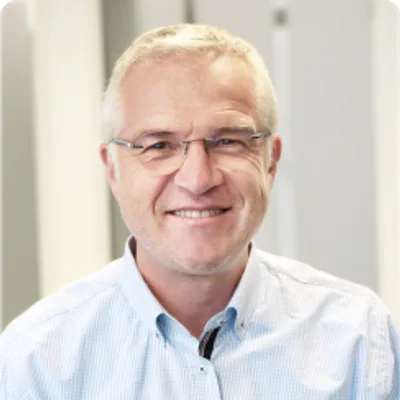

CSO of Hinte Expo (INTERGEO)
Starting his career as a surveying engineer, Olaf is a passionate networker and community builder. As an organizing partner of DVW, he has transformed INTERGEO into a global geospatial hub since 1998. After leading transport events at RX Global, he returned to HINTE in 2024 to drive innovation and…
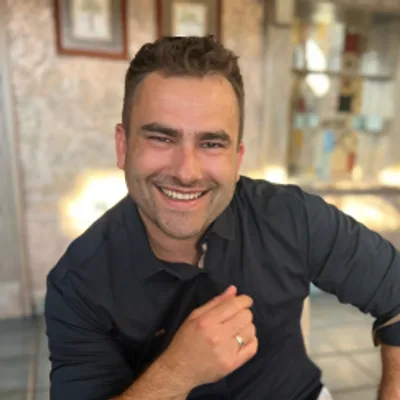
Co-founder of 3DISE, host of 2D Is Against My Religion
Building focused and engaged audience around 3D and AI that has something to do with computer vision or 3D. My goal is to be an informational hub for my audience and filter of new interesting HW and SW solutions, so that they don’t have to spend hours to keep up.
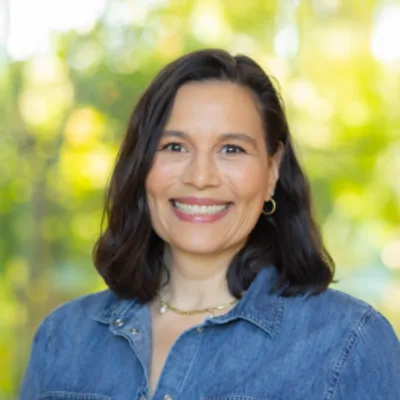
Director, Imagery and Remote Sensing Solutions ESRI
Industry expert with 20+ years in imagery and remote sensing, bridging GIS and science into real-world applications. Active in ASPRS, mentor in Women+GIS, and adjunct instructor, advancing AI-driven geospatial and reality capture solutions.


